Garage doors are an important part of every home. They keep your home safe, add convenience, and even enhance its appearance. Many homeowners don’t think about how garage doors work until something goes wrong. This guide will walk you through each part and show how everything works together smoothly.

From panels and rollers to springs, tracks, and openers, every part has an important job. Learning the anatomy of garage door systems helps you identify issues early and prevent more significant problems. It also makes garage door repair quicker and easier, saving you time and money when something needs to be fixed or replaced.
How Garage Door Systems Work
The anatomy of garage door systems consists of multiple interconnected parts that work together to ensure smooth operation. From the heavy-duty panels to the intricate springs and opener mechanisms, each component plays a crucial role.
Understanding these parts not only helps in diagnosing problems but also ensures proper garage door maintenance, extending the lifespan of your garage door. Let’s dive into the key components that make up the anatomy of garage door structures.
Main Components of a Garage Door You Should Know
The anatomy of a garage door comprises key structural components that enable it to open, close, and remain balanced. Understanding these helps with simple maintenance and spotting problems early.
1. Garage Door Panels
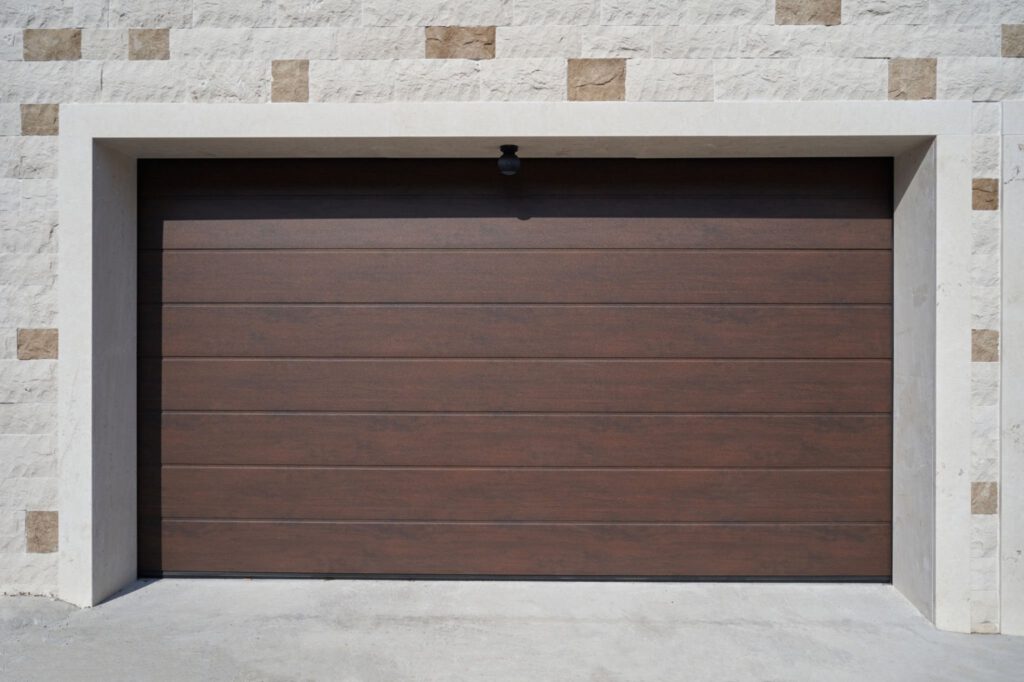
Garage door panels are the big parts you see on the outside of the door. They can be made of steel, wood, or aluminum. These panels give the door its shape, strength, and appearance, helping to protect your garage and enhance its curb appeal.
2. Tracks
Tracks are metal rails on both sides of the garage door. They guide the door as it opens and closes. If the tracks are bent or dirty, the door might not move properly. Clean, straight tracks ensure the door opens and closes smoothly.
3. Springs
Springs help lift and lower the garage door by holding most of its weight. There are two types, torsion and extension. If a spring breaks, the door can get too heavy to lift. It’s best to let a professional fix broken springs.
4. Rollers
Rollers are small wheels on the side of the garage door. They roll inside the tracks and help the door move quietly and efficiently. If the rollers are old or dirty, they can make noise or get stuck. Oiling them helps keep things smooth.
5. Hinges
Hinges are metal parts that connect the garage door panels. They let the panels bend when the door opens and closes. If the hinges are loose or rusty, the door may not open or close smoothly. Keep them tight and oiled so the door operates more smoothly.
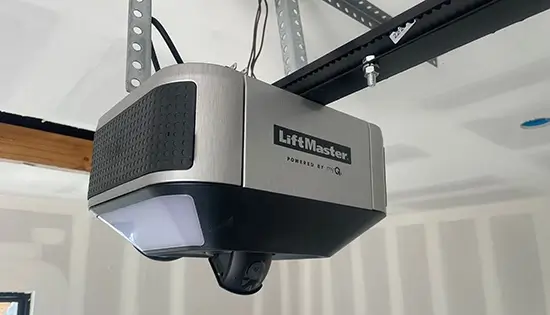
How Does a Garage Door Opener Work

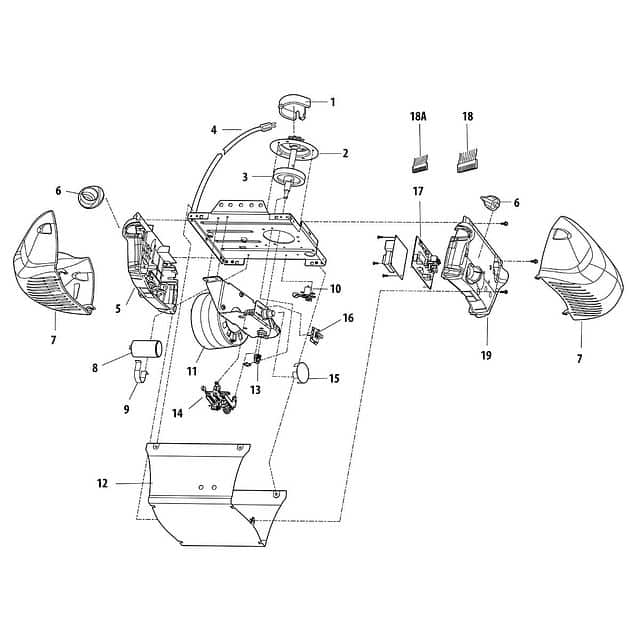
Understanding how a garage door opener works can help you identify issues early and maintain it more effectively. Below are the key components that ensure the opener functions smoothly and safely every day.
1. Motor Unit
The motor unit is the heart of the garage door opener. It uses electricity to power gears that move the trolley. This motion lifts or lowers the door every time you press the opener button.
2. Drive Mechanism
The drive mechanism moves the garage door using one of three types: chain, belt, or screw. Each type has its method of pulling the trolley, which controls how the door opens and closes smoothly.
3. Trolley and Rail
The trolley connects to the garage door arm and moves along a metal rail. Guided by the drive system, it slides back and forth to lift the door up or bring it down gently and safely.
4. Safety Sensors
Safety sensors are located near the floor on both sides of the garage door. They send an invisible beam across the opening and stop the door from closing if anything crosses the path, keeping people and pets safe.
5. Limit Switches
Limit switches are small but important parts that tell your garage door opener when to stop. They help the motor know the exact points to stop opening or closing, avoiding damage or the door going too far.
Top Garage Door Opener Accessories and Features
Garage doors today come with many extra features that improve safety, convenience, and performance. These accessories make your garage more secure and user-friendly for daily use. Here are the top ones:
1. Insulation and Energy Efficiency
Insulated garage doors help keep your garage cool in hot weather and warm when it’s cold. They use materials like foam (polyurethane or polystyrene) to save energy and lower your bills. Insulation also helps reduce outside noise.
2. Windows and Decorative Hardware
Windows in garage doors let sunlight in and make your garage look nicer. You can choose clear, frosted, or dark glass. Fake handles and hinges can be added to give the door a classic, old-style appearance without altering its functionality.
3. Smart Technology Integration
Modern garage doors can connect to your phone or smart speaker. You can open or close the door using Alexa or Google with voice commands or apps. Some openers also work during power outages with a backup battery.
Garage Door Issues Every Homeowner Should Know
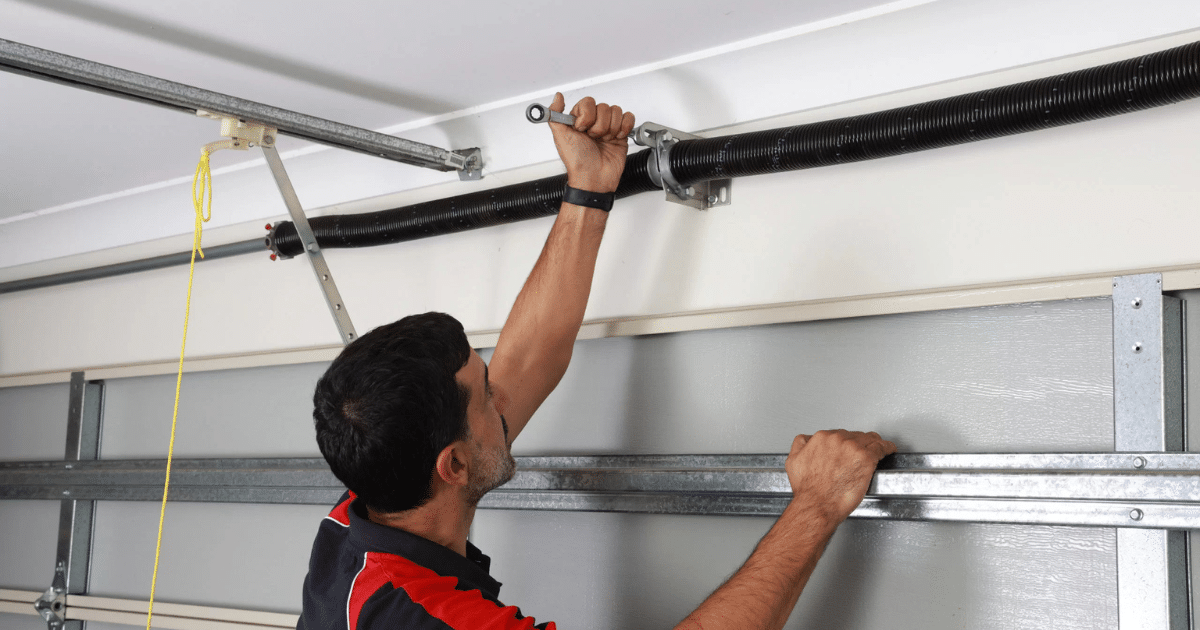
Understanding the anatomy of garage door systems helps in identifying common issues:
1. Noisy Operation
A noisy garage door often means something’s worn or loose. Old rollers, dry hinges, or loose nuts and bolts can make grinding or squeaking sounds. Regular lubrication and tightening hardware can help. Replacing worn rollers also reduces noise during operation.
2. Door Won’t Open/Close
If your garage door won’t open or close, the problem could be broken springs, off-track rollers, or blocked safety sensors. Always check the sensors first for dirt or misalignment. Broken garage springs are dangerous and should be fixed by a trained technician.
3. Slow Response Time
A garage door that responds slowly may have issues with its opener or wiring problems. This delay can come from worn-out motors, old remote batteries, or signal interference. If your door hesitates often, it’s time to check the motor or call a garage door repair pro.
Easy Garage Door Maintenance Tips for Homeowners
Keeping your garage door in good shape helps it last longer and work smoothly. With simple upkeep, you can avoid costly repairs. Here are the best maintenance tips you should follow:
1. Lubricate Parts Every 6 Months
Use a silicone-based spray or garage door lubricant to coat springs, rollers, hinges, and tracks twice a year. This helps parts move smoothly, reduces noise, and protects against rust and long-term damage.
2. Check Cables and Springs
Inspect the cables for fraying and springs for rust or signs of stretching. If you see anything worn out or broken, call a professional immediately. Spotting these problems early helps prevent bigger garage door issues and accidents.
3. Test Safety Sensors
To test your garage door sensors, place an object like a box in the door’s path and try to close it. If the door doesn’t reverse, clean the sensor lenses or realign them carefully for safety.
Signs You Need a Garage Door Professional
Knowing when to call a garage door repair professional can save you time, money, and injury. Some issues are too complex to handle on your own and require expert tools and training to resolve.
1. Broken Springs
Garage door springs hold a lot of tension to lift the heavy door. If a spring breaks or looks worn out, don’t touch it. Call a garage door repair pro to handle the repair safely.
2. Cable Problems
Cables are important for smooth garage door movement. If you notice fraying, tangles, or a snapped cable, don’t attempt to fix it yourself. Call a trained technician to prevent injuries and further damage to the door.
3. Off-Track Door
When your garage door jumps off its tracks, avoid forcing it closed or open. A professional can safely realign the door, inspect the rollers and track system, and ensure everything works correctly again.
4. Unusual Noises or Jerky Movements
Loud grinding, scraping sounds, or bumpy door motion often signal trouble. It might be the motor, rollers, or alignment. A garage door technician can identify the issue early and repair it before costly damage occurs.
5. Garage Door Won’t Open or Close
If your garage door won’t open or close properly, it could be a problem with the opener, sensors, or wires. Let a professional inspect the system and fix the problem for smooth operation.
Frequently Asked Questions
What Are the Garage Door Parts?
Garage doors have many parts, like panels, tracks, rollers, springs, cables, hinges, and the opener. These parts work together to help the door open and close. Keeping these parts in good shape helps your garage door work better and last longer.
What Is the Part Called That Opens the Garage Door?
The part that opens the garage door is called the garage door opener. It’s a small motor on the ceiling that pulls the door up and down. The opener makes using your garage door easy with a remote, wall button, or even your phone.
What Is Inside a Garage Door?
Inside a garage door, there can be layers of metal, wood, or foam for strength and insulation. You’ll also find screws, bars, and hinges that help the door hold its shape and move properly. These parts keep the door strong and safe to use.
What Is the Bottom Part of a Garage Door Called?
The bottom part of a garage door is called the bottom panel. It’s the last section that touches the ground when the door is closed. This panel is important because it helps hold the rubber seal that keeps out water, bugs, and dirt.
What Is the Part That Goes on the Bottom of the Door?
The part that goes on the bottom of the door is called the bottom seal or weather seal. It’s a soft rubber strip that helps block rain, dust, and bugs from getting inside. It also cushions the door when it closes on the ground.
Conclusion
Knowing the anatomy of garage door parts helps you keep your garage door working right. When all the parts work together, your door stays safe, quiet, and smooth. This can help you avoid bigger problems and save money on future repairs.
If something goes wrong, our team is ready to help. We offer expert garage door repair services that are fast, friendly, and honest. From broken springs to noisy openers, we fix it all and make sure your door works like new again.
Don’t wait until your door stops working. Call or text (405)256-3645 today. At CCM Overhead Doors, we prioritize keeping your home safe and ensuring your garage door operates smoothly. Let us handle the hard work, so you don’t have to.
End Note
If you are looking for dependable garage door solutions, CCM Overhead Doors is here to help. Discover more about us and explore our photo gallery to see the high-quality work we provide to homes and businesses across Oklahoma.
We offer a comprehensive range of garage door services, including keypad and remote installation, residential garage door openers, Clopay garage doors, loading dock levelers, and expert garage door maintenance. We proudly serve Midwest City and nearby areas with fast, friendly service.
Discover helpful tips on our blog and stay connected with us through our social media channels on Facebook, Instagram, YouTube, and Twitter. To book a service or get support, visit our contact page, and our friendly team will be happy to assist you every step of the way.
CCM Overhead Doors
1000 NW 80th St, Oklahoma City, OK 73114, United States
+14055638982