It starts with a strange noise. Maybe the door takes a little longer to open than it used to. Or the opener light flickers once in a while. Easy to brush off. Easy to put on the “I’ll get to it later” list.
The problem is that garage door opener issues do not pause while you wait. They quietly build on each other, turning a minor inconvenience into a much bigger, more expensive situation. Scheduling garage door opener repair early is almost always cheaper and faster than dealing with the fallout of a system that has been pushed past its limits.
This article walks through exactly what happens when opener problems are left unaddressed, so you can understand the real stakes before a small issue becomes a serious one.
Minor Wear Turns Into Major Mechanical Failure
Every garage door opener has components that wear gradually over time. Springs, cables, rollers, and the drive system all experience stress with every open and close cycle. When early signs of wear are ignored, those components do not hold steady. They continue to deteriorate.
What this looks like over time:
- A slightly noisy chain drive becomes a fully stripped gear assembly
- A door that moves slowly becomes a door that refuses to move at all
- A worn roller causes track damage that spreads across the entire system
What you should do: If your opener is making new sounds, moving unevenly, or behaving differently than it used to, schedule an inspection. Catching wear in its early stages is always less expensive than addressing a full breakdown.
A professional catching wear early can often resolve it with a simple adjustment or part replacement. Left alone, that same wear can require replacing multiple components at once, or the entire opener unit.
Understanding the root causes behind these failures is covered in detail in What Causes a Garage Door Opener to Stop Working?, which breaks down every common failure point from springs to circuit boards.
Your Home Becomes Less Secure
Your garage door is one of the largest entry points into your home. When the opener is not functioning properly, that security weakens in ways that are not always obvious.
What this looks like over time:
- A door that does not close completely leaves your home exposed
- A malfunctioning lock mechanism can be easier to force open
- An opener with outdated or failing security features becomes vulnerable to code grabbing
Modern openers include rolling code technology that changes the access code with every use. Older or damaged openers may not provide this protection. Ignoring opener problems means ignoring the security layer your garage door provides.
What you should do: If your door is not closing fully or the opener is aging past the 10-year mark, have a technician assess both the mechanical and security conditions of your system.
Safety Risks Increase for Your Household
A properly functioning garage door opener includes safety features designed to protect your family. Auto-reverse sensors stop the door from closing on a person, child, or pet. When those features are compromised, the risk of injury goes up significantly.
What this looks like over time:
- Misaligned sensors that no longer detect obstructions
- A door that reverses inconsistently or not at all
- Springs under dangerous tension that have not been inspected
According to routine garage door inspection guidelines from Angi, safety sensors and auto-reverse functions should be tested regularly to confirm they are working as intended. Skipping those checks removes a critical layer of household protection.
What you should do: Test your auto-reverse function monthly by placing a flat board on the ground in the door’s path. If the door does not reverse on contact, stop using it and call a professional immediately.
Repair Costs Grow the Longer You Wait
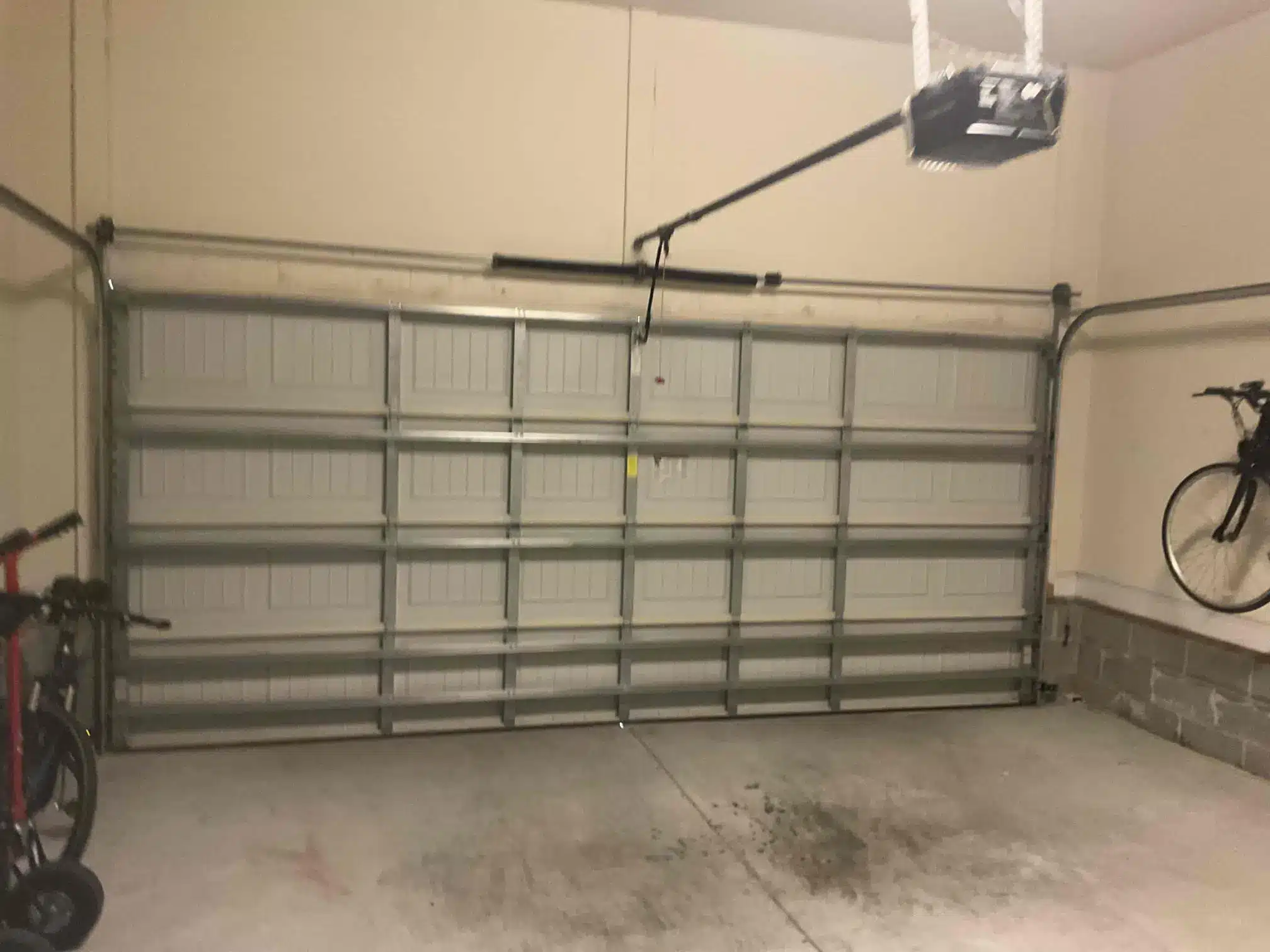
This is the consequence most homeowners feel most directly. A small repair handled early costs a fraction of what a full system failure costs later. Ignoring problems does not make them cheaper. It makes them more expensive.
What this looks like over time:
- A worn spring left unaddressed breaks and damages the cable and drum. Broken garage door springs are one of the most common and preventable causes of full system failure
- A worn spring left unaddressed breaks and damages the cable and drum
- A misaligned track, left unchecked, warps and requires full replacement
- A struggling motor pushed past its limit burns out completely
Average repair costs vary depending on the component involved, but the pattern is consistent across the board. The earlier a problem is caught, the lower the cost to resolve it.
Following professional care and maintenance guidelines from the International Door Association is one of the most effective ways to stay ahead of those costs and extend the life of your garage door system.
What you should do: Think of annual garage door servicing as preventive care. The cost of a yearly inspection is a fraction of what emergency repairs or full replacements typically run.
The Opener Motor Burns Out Faster
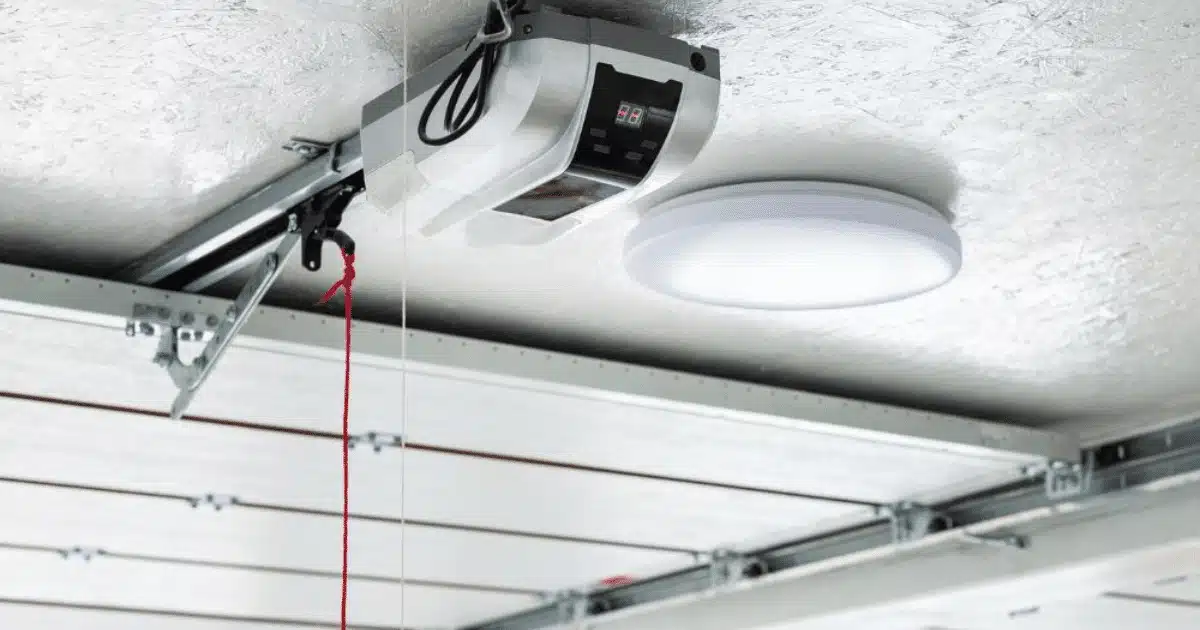
The opener motor is designed to work within a specific range of resistance. When mechanical problems elsewhere in the system go unresolved, the motor compensates by working harder than it should. That extra strain shortens its lifespan significantly.
What this looks like over time:
- Springs that are not balanced force the motor to carry more weight
- A dragging or binding door puts repeated stress on the motor with every cycle
- A motor running past its stopping point due to a faulty limit switch overheats over time
Replacing an opener motor or the entire unit is one of the more expensive garage door repairs. Most of those replacements are preventable with timely attention to the smaller problems feeding the strain.
What you should do: If your motor sounds louder than usual, runs longer than it should, or generates noticeable heat, have it inspected before the problem reaches the point of no return.
If your system has reached the point where repair costs are stacking up, When to Repair or Replace Your Garage Door Opener can help you decide whether investing further in repairs still makes sense.
Damage Can Spread to the Door Itself
The opener and the door are connected systems. When the opener develops problems, those problems do not stay contained to the opener unit. Over time, a struggling opener can cause physical damage to the door panels, tracks, and hardware.
What this looks like over time:
- A jerking or uneven opener motion causes stress cracks in door panels
- A misaligned drive system pulls the door off its tracks
- A door repeatedly forced open or closed against resistance bends hinges and brackets
Door panel replacement and structural repairs are among the more costly garage door services. Most of those repairs trace back to a smaller mechanical issue that was never addressed.
What you should do: If your door is moving unevenly or making contact with the tracks in an unusual way, do not continue operating it. Have a technician check both the opener and the door hardware together.
Emergency Situations Become More Likely
A garage door opener that has been neglected long enough will eventually fail at the worst possible time. That might mean a door stuck open overnight, a door that will not open when you need to leave, or a full mechanical failure that leaves your vehicle trapped inside.
What this looks like over time:
- A spring that was showing signs of fatigue snaps without warning
- A gear that was grinding for months finally strips out completely
- An electrical fault causes a total loss of power to the opener
What you should do: Do not wait for a failure to prompt action. If your opener has been showing warning signs for weeks or months, schedule a service call now rather than waiting for the system to make that decision for you.
In Oklahoma City, where weather can shift quickly and homeowners rely on their garages for daily access, an unexpected failure creates real disruption. Emergency service calls also typically carry a higher cost than scheduled repairs. Understanding Why You Should Call a Professional for Garage Door Opener Repairs before an emergency strikes is the smarter and safer approach.
Resale Value and Home Inspection Results Can Suffer
If you are planning to sell your home, a neglected garage door system can affect your outcome at inspection. Home inspectors routinely check garage door openers, safety sensors, and auto-reverse functions as part of a standard inspection.
What this looks like over time:
- A failing opener flagged during inspection triggers repair requests from buyers
- A door with visible track damage or uneven movement raises broader concerns
- Outdated safety features can result in a required upgrade before closing
A well-maintained garage door system signals to buyers that the home has been cared for. A neglected one raises questions about what else may have been overlooked.
What you should do: Before listing your home, have your garage door opener professionally serviced and any outstanding issues resolved. It is a straightforward step that protects both your asking price and your inspection results.
The Cost of Waiting Is Always Higher Than the Cost of Acting
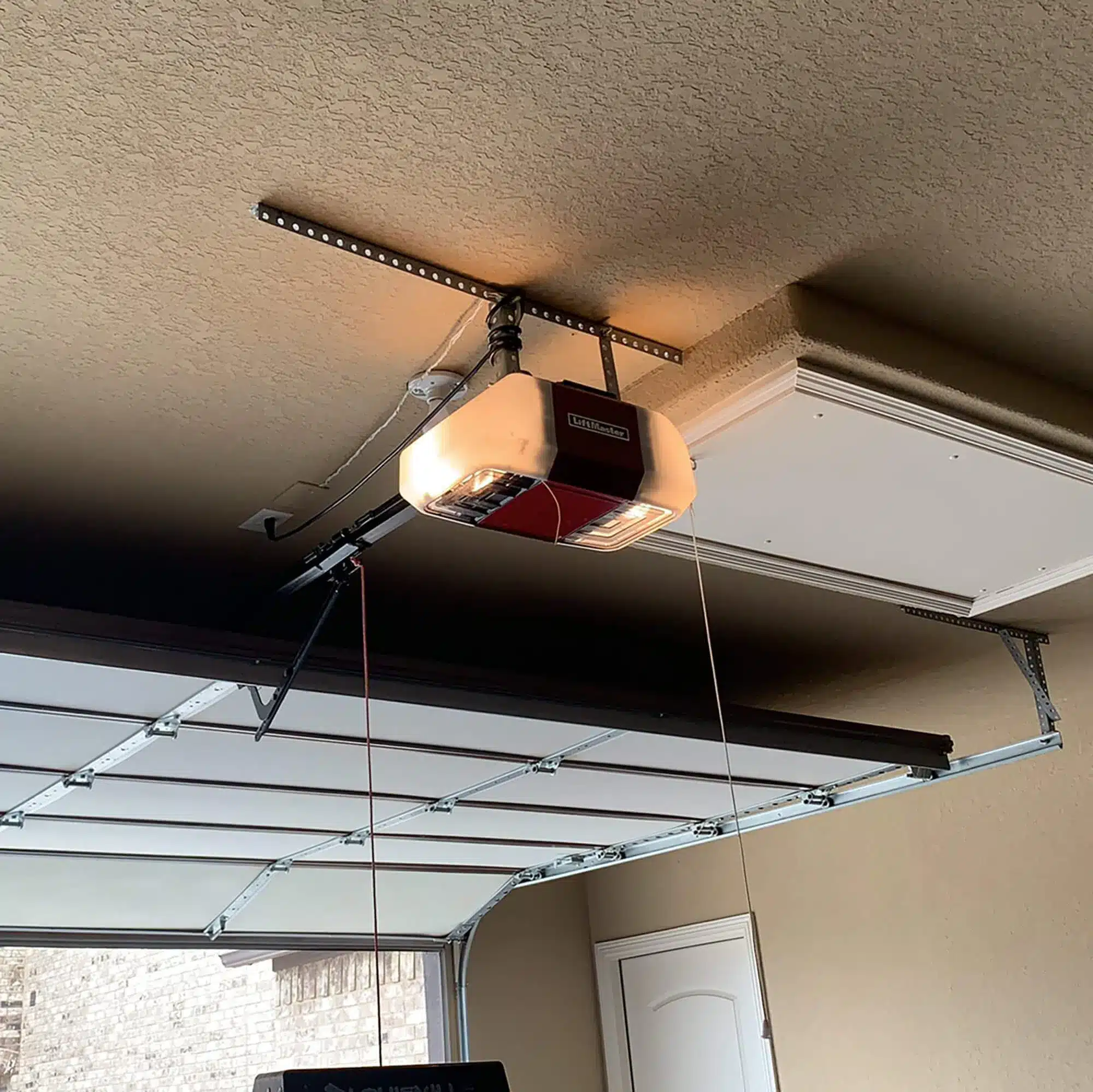
Every week a garage door opener problem goes unaddressed is another week of wear, another cycle of stress on the motor, and another step closer to a failure that could have been prevented. The consequences are real, whether that means a security gap, a safety risk, an unexpected repair bill, or a system that simply stops working.
Oklahoma City homeowners deserve a garage door system that works reliably and safely every single day. CCM Overhead Doors is here to help you get ahead of problems before they grow. Contact us or give us a call to schedule a professional inspection and protect your home before a small issue becomes a big one.