Every garage door sound points to a specific cause: popping and cracking mean spring tension, grinding and scraping mean worn rollers or a dirty track, rattling means loose hardware, and humming or clicking without movement usually points to the opener itself. Matching the sound to the cause is the fastest way to know whether it’s a five-minute fix or something that needs professional garage door service. Some sounds are cosmetic annoyances. Others are early warning signs of a part under real mechanical stress. This guide breaks down each sound on its own so you can identify what you’re hearing before deciding what to do about it.
Key Takeaways
- Popping or cracking is a spring symptom, not an opener symptom.
- Grinding or scraping almost always traces back to the rollers or the track, not the motor.
- Rattling is loose hardware, the most common and least dangerous noise on this list.
- Humming or clicking with no movement points to the opener, not the door itself.
- A sudden, loud bang is the one sound that should stop you from using the door until it’s inspected.
- The same noise heard occasionally versus constantly usually means the same cause at two different stages of wear.
- Routine garage door maintenance is the easiest way to catch most of these sounds before they get worse.
Sound-to-Cause Quick Reference
Sound | Most Likely Cause | Urgency |
Popping or cracking | Spring tension or a weakening spring | High |
Grinding or scraping | Worn rollers or a dirty/bent track | Moderate |
Rattling or vibrating | Loose hardware | Low |
Squeaking or squealing | Lack of lubrication | Low |
Humming with no movement | Opener motor or capacitor issue | Moderate |
Clicking or ticking | Relay, gear, or opener sensor issue | Moderate |
Loud bang or thud | Broken spring or cable | High, stop use immediately |
For the full fix steps behind each of these, read our complete guide Why Is My Garage Door Making Loud Noises (Popping, Grinding, or Rattling) or Having Operation Issues?
Popping or Cracking Sounds: What They Mean
What it sounds like: A sharp pop, snap, or crack, usually right as the door starts or finishes its cycle.
What it means: This is a spring sound almost every time. Torsion springs lose tension gradually, and a pop is often the sound of the coil shifting or a spring beginning to fail.
How urgent it is: Moderate to high. A single pop with no other change can wait for a scheduled inspection. A pop followed by the door feeling heavier, or a visible gap in the spring coil, is urgent. Springs store enough tension to cause serious injury, so this is never a DIY fix.
Why Does My Garage Door Make a Popping Sound?
A popping sound almost never comes from the opener, the track, or the rollers. It comes from the springs above the door, which is why this sound deserves more caution than most others on this list.
Grinding or Scraping Sounds: What They Mean
What it sounds like: A rough, scraping, or grinding noise as the door travels along the track.
What it means: Worn or flat-spotted rollers, a bent section of track, or built-up dirt and debris are the usual culprits. Rollers wear down over years of use the same way tires do.
How urgent it is: Low to moderate. A dirty track is a simple cleaning fix. Worn rollers or a bent track are repair items, but they rarely turn into an emergency overnight.
Why Does My Garage Door Grind When Opening or Closing?
Grinding is a mechanical friction sound, not an electrical one. If the sound has gotten steadily louder over months rather than appearing suddenly, that’s consistent with normal roller wear rather than a sudden failure.
Rattling or Vibrating Sounds: What They Mean
What it sounds like: A shaking, buzzing, or rattling noise, often loudest partway through the door’s travel.
What it means: Loose hardware. Hinges, roller brackets, and the bolts holding the track to the wall all work themselves loose gradually with regular use and vibration.
How urgent it is: Low. This is the most common and least dangerous noise a garage door makes, and it’s usually a simple tightening job.
Why Does My Garage Door Rattle When It Opens?
Rattling is a hardware symptom, not a structural one, in the vast majority of cases. If tightening the visible hardware doesn’t quiet it, a loose or warped panel is the next thing to check.
Squeaking or Squealing Sounds: What They Mean
What it sounds like: A high-pitched squeak or squeal, usually from the hinges, rollers, or spring coils.
What it means: Dry metal. This is almost always a lubrication issue and the single most common noise complaint on residential doors.
How urgent it is: Low. Squeaking on its own is a maintenance issue, not a safety issue, unless it’s paired with another sound from this list.
Why Does My Garage Door Squeak When Opening?
Squeaking is the noise most likely to disappear entirely with proper lubrication and never come back, which makes it the easiest one to rule out first.
Humming or Buzzing Without Movement: What It Means
What it sounds like: The opener runs, hums, or buzzes, but the door doesn’t move, or barely moves.
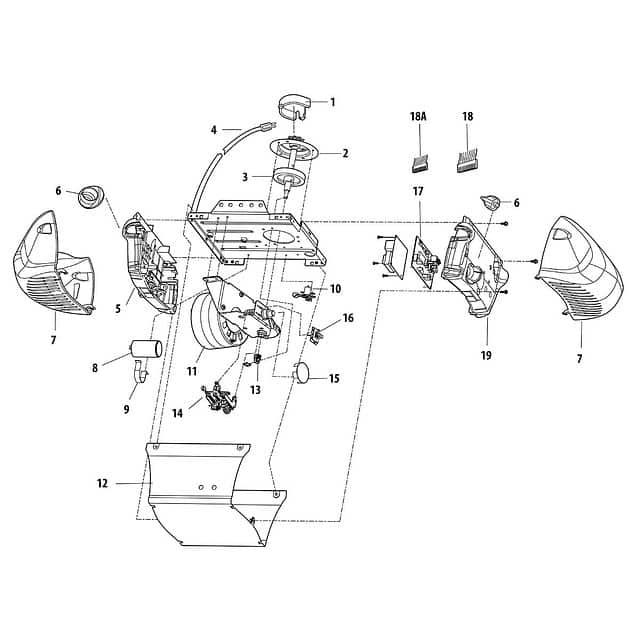
What it means: This points to the opener itself rather than the door. A humming motor that isn’t turning usually means a failing motor, a worn gear, or a capacitor issue inside the opener unit.
How urgent it is: Moderate. The door won’t operate safely or predictably in this state, and opener electronics aren’t a DIY repair.
Why Does My Garage Door Opener Hum but Not Open the Door?
This symptom sits at the boundary between a noise problem and an operation problem.
If your door is also failing to open, close fully, or reverse on its own, our companion guide covers that territory in more depth Garage Door Won’t Open, Closes Slowly, or Reverses? Common Operation Problems and Fixes.
The International Door Association’s directory of care and maintenance guidance is a useful starting point for opener-related symptoms like this one, since motor and drive issues are a step beyond routine homeowner maintenance.
Clicking or Ticking Sounds: What They Mean
What it sounds like: A repetitive click or tick, often in rhythm with the door’s movement or the opener’s motor.
What it means: Usually a relay switching inside the opener, a worn gear inside the opener unit, or a sensor cycling. Occasionally it’s a chain or belt catching on a worn spot.
How urgent it is: Moderate. Clicking on its own often isn’t urgent, but a change in the pattern or pitch of the click is worth having checked before it turns into a full opener failure.
Why Does My Garage Door Opener Make a Clicking Noise?
A consistent, unchanging click that’s been present for a long time is usually just how that particular opener sounds. A new click, or one that’s getting louder, is the version worth paying attention to.
Loud Bang or Thud: What It Means
What it sounds like: A single, sudden, loud bang or thud, sometimes followed by the door refusing to move at all.
What it means: This is almost always a broken spring or a snapped cable. It’s the loudest and most alarming sound a garage door makes, and for good reason.
How urgent it is: High. Stop using the door immediately. A broken spring or cable means the door’s weight is no longer properly supported, which is a real safety hazard.
What Does It Mean When My Garage Door Makes a Loud Bang?
A loud bang is the one sound on this list that should change your behavior immediately rather than wait for a scheduled inspection.
DASMA’s broader safety tips for garage doors reinforce the same point: a door that suddenly won’t move, or moves unevenly after a bang, should be left alone until a technician looks at it. This is also where the DIY-versus-professional line is clearest: When to DIY a Noisy Garage Door vs. Call a Pro (and What It Could Cost) walks through that decision in more detail.
Understanding What Your Garage Door Noise Is Telling You
Identifying the sound is the first step. The second is knowing what to actually do about it, and that depends on how urgent the sound is and whether it’s safe to check yourself. CCM Overhead Doors provides professional inspection and repair throughout the Oklahoma City area for anything on the higher end of the urgency scale, especially springs, cables, and opener electronics. Contact us or give us a call if you’re not sure which category your noise falls into.