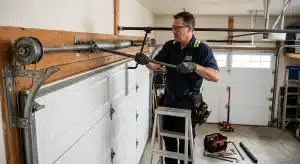
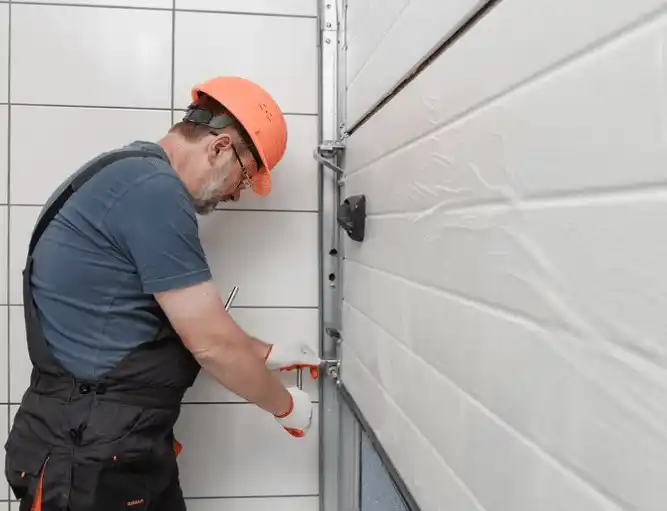
When the garage door slams shut instead of lowering smoothly, it usually indicates the counterbalance system is no longer controlling the door’s weight during closing. In many cases, garage door repair is needed to restore proper spring tension and correct lift-hardware issues before the problem escalates.
In Oklahoma City, OK, daily cycling and seasonal temperature swings can accelerate wear on key lift parts, increasing the likelihood of sudden slamming. This guide explains what a garage door slams shut event typically means and what to do next to protect the garage door system.
Why Does a Garage Door Slam Shut in Oklahoma City?
When the garage door slams shut in Oklahoma City, it usually means the door’s counterbalance system is no longer controlling the door’s weight during closing, so the door drops under the force of gravity after spring tension or lift support changes, and can create serious injury and property damage risks if the operation continues.
Common reasons this happens include:
- The garage door’s spring system has lost high tension, so the stored potential energy no longer offsets the weight of the door.
- A broken spring can suddenly shift the load, making the door feel heavy and causing a faster descent during closing.
- Lift hardware on the side of your garage door can shift, creating uneven support between the sides of the door and unstable travel.
- The garage door opener may react to abnormal resistance or imbalance when the opener’s force settings and travel control are no longer matched to the door’s load.
- Metal components like brackets, pulleys, hinges, rollers, and horizontal tracks can develop friction, rust, corrosion, or alignment issues that disrupt smooth closing and increase strain.
To understand how Oklahoma City conditions contribute to these failure patterns and the most common triggers, read our blog on What Causes a Garage Door to Slam Shut in Oklahoma City? where local wear factors and failure signs are clearly explained.
What It Means When a Garage Door Slams Shut
Counterbalance System Failure, and the Door Drops Too Fast
Lost counterbalance means the door’s weight is no longer supported evenly during closing, so the garage door slams shut under the force of gravity.
Clues that often match this meaning include:
- Heavy lift: the door feels unusually heavy after using the emergency release cord.
- Speed change: descent accelerates suddenly after a normal start.
- Tilted travel: one side drops faster than the other.
- Track drag: rollers hesitate in the horizontal tracks as friction increases.
- Hardware stress: brackets and hinges shift, squeal, or loosen.
Why It Is Urgent: Without a stable door’s counterbalance system, stress is transferred to metal components, and the lift path can fail further, raising the risk of serious injury and property damage during normal closing.
Restoring the spring balance supports controlled closing, and confirming compatibility with a residential garage door opener model helps prevent drive strain when the door load changes.
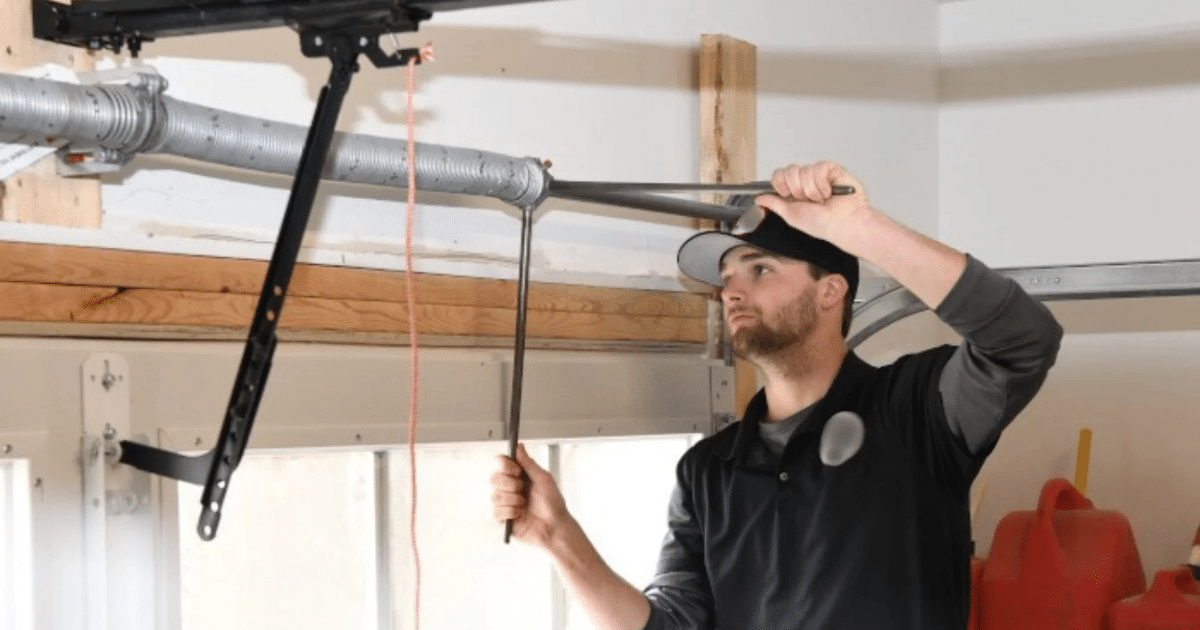
Broken Garage Door Spring, and the Support Disappears Suddenly
A broken garage door spring releases high tension from torsion springs or extension springs, so the garage door’s spring system can no longer control closing speed.
Signs that often point to spring failure include:
- Loud bang: a sharp snap as the garage door spring breaks.
- Visible gap: separation in coils or a stretched spring segment.
- Heavy door: manual lifting feels unsafe even with the opener disconnected.
- Hard closing: the garage door slams shut or hits the floor fast.
- Opener strain: the garage door opener struggles during closing.
Why It Is Urgent: Spring failure shifts the weight of the door into cables, rollers, hinges, and brackets, so slamming can worsen quickly and increase the chance of a broken garage door or serious injury near the opening.
Professional spring replacement involves stored potential energy and high tension, and the International Door Association’s Care & Maintenance guidance explains safer homeowner checks and when to bring in a trained technician.
Garage Door Cable Snapped, and the Door Can Drop Crooked
A garage door cable snapped on one side, removing even lift support, so the sides of the door carry uneven load, and slamming can happen at an angle.
Red flags that commonly show up include:
- Slanted movement: one side of your garage door sits lower as it closes.
- Slack cable: looseness appears near the drum or bottom brackets.
- Frayed strands: cable wear shows near pulleys or wrap points.
- Track rub: scraping develops along one horizontal track wall.
- Sudden release: the door binds, then drops into a faster closing.
Why It Is Urgent: Uneven support can rack the door in the tracks, so an angled drop can bend tracks, damage rollers, and destabilize the lift path, increasing the risk of property damage.
Restoring cable tension protects the door from overload and reduces repeated garage door slamming during closing.
Track Shift or Roller Displacement, and Friction Releases Suddenly
Track shift or roller issues create binding along the horizontal tracks, so friction builds and then suddenly releases.
Movement patterns that often match this meaning include:
- Edge scraping: rollers rub the track wall instead of rolling smoothly.
- Jerky travel: the door stutters, then speeds up unexpectedly.
- Rust spots: corrosion creates rough points that raise friction.
- Hardware drift: hinges or brackets look twisted or out of alignment.
- Fresh scuffs: metal components show new scrape marks near contact points.
Why It Is Urgent: Binding followed by sudden release can cause a slamming garage door event that stresses brackets and hinges, increases wear on rollers, and raises the chance of serious injury if the door drops without control.
Realignment restores smooth travel, and garage door repair becomes more involved if repeated slamming has already bent sections or damaged the track path.

Opener Force Setting Malfunction, and the Motor Overdrives the Door
Incorrect opener force settings or loose chains can cause the door opener to apply too much force, making closing rough and causing the door to slam even without a clear obstruction.
Operating behaviors that often point to this issue include:
- Overdrive: the opener continues pushing even as resistance increases.
- Chain lash: loose chains create jerky starts and stops.
- Speed swings: closing pace changes suddenly without obstruction.
- Limit mismatch: travel overshoots, and the door hits the floor hard.
- Strain noise: the motor sounds stressed during the closing cycle.
Why It Is Urgent: Excess motor force combined with incorrect travel limits can drive the door beyond its proper stopping point, increasing floor impact force and raising the risk of hardware damage or cable disruption during closing.
Technical guidance from LiftMaster explains how travel limits, limit nuts, and stop points control where the door stops and how improper adjustment can allow overtravel that contributes to hard impact during closing.
Warning Signs Before the Door Slams Shut
Early warning signs usually appear before a garage door slams shut, and changes in speed, balance, sound, and control help confirm when the garage door system is losing stable support.
Key warning signs to watch for include:
- The door lowers faster than normal and lands with a hard impact on the floor.
- One side of the door drops ahead of the other, creating a slanted descent.
- Jerky movement shows up in the horizontal tracks and then releases into a quicker drop.
- Grinding, squealing, or rattling start as rollers and hinges fight rising friction.
- Manual lifting feels unusually heavy after using the emergency release cord.
- Rust, corrosion, frayed cables, or shifting brackets appear on metal components near the lift path.
- The garage door opener hesitates, surges, or fails to stop smoothly at the bottom during closing.
Catching warning signs early helps prevent repeat slamming, and scheduling garage door service can confirm whether the lift path is stable before additional damage develops.
Common Component Failures Behind a Sudden Slam
A sudden slam usually occurs when the garage door system loses balanced lift support, allowing the door’s weight to shift into parts that were not designed to handle the full load during closing.
Component Failure | What Happens | Why It Can Trigger a Hard Drop |
Spring system tension loss | The door’s counterbalance system stops offsetting the door’s weight. | Descent control weakens, so the door can accelerate and slam. |
Lift cable slip, fray, or unwind | Cable tension becomes uneven across the door’s sides. | One side can drop faster, creating a crooked path and sudden release. |
Cable drum wrap control loss | The cable wraps unevenly or slips at the drum. | An uneven wrap can twist the door in the tracks and cause a faster fall. |
Bottom bracket looseness or deformation | Cable anchor points lose stability under load. | Cable tension can shift suddenly, increasing drop speed and impact. |
Roller wear or binding | Rollers resist travel inside the horizontal tracks. | Friction builds, then releases into a faster drop that feels like slamming. |
Hinge looseness or shift | Door sections flex and track contact increases. | Misguided travel can raise resistance and contribute to sudden descent changes. |
Track alignment problems | The door rubs along the side during travel. | Binding followed by release can create a hard drop and repeated slamming. |
Opener drive strain from loose chains or mismatched settings | Drive behavior becomes jerky, and stopping control becomes inconsistent. | Poor control can worsen the impact on the floor when descent is already unstable. |
Part-level failure patterns and the specific hardware most often involved are explained in our blog on Which Parts Fail When a Garage Door Slams Shut?, where the breakdown connects each component to the slamming behavior.
Immediate Safety Steps After a Garage Door Slams Shut Suddenly
Sudden slamming during closing can signal a serious lift failure, so quick action helps reduce the risk of injury, limit property damage, and keep the garage door system from dropping again.
Priority safety actions include:
- Stop using the garage door opener and avoid running another closing cycle.
- Keep the door fully down if possible and keep the opening clear of vehicles, pets, and foot traffic.
- Avoid manual lifting when a broken spring or cable failure is suspected.
- Stay away from cables, brackets, and other metal components that may still be under high tension.
- Cut power to the opener only when it can be done safely without standing beneath the door.
Response priorities and hazard-avoidance guidance are outlined in our blog on What Should You Do If a Garage Door Slams Shut?, including how to secure the opening and avoid high-tension hazards.
Professional Inspection and Repair Process
Professional service confirms why the garage door slams shut, isolates the failing part, and restores controlled closing by correcting balance, alignment, and opener control.
Core steps in a typical inspection and repair process include:
- Observe the controlled test cycle to identify the exact point at which closing becomes unstable.
- Check the door balance with the opener disengaged to confirm whether the spring system is supporting the door’s weight.
- Inspect springs and lift hardware for wear, damage, rust, corrosion, or loss of tension that can trigger slamming.
- Verify track alignment and roller travel to reduce friction and prevent bind-and-release drops.
- Review the opener travel and force response to confirm that stopping control matches the door load.
When slamming is tied to drive strain or stopping control issues, garage door opener repair helps restore smooth closing behavior and reduce overload on the lift hardware.
Take Control Before the Garage Door Slams Shut Again
A garage door slams shut when the door’s counterbalance system loses control of the door’s weight during closing, turning a normal cycle into a serious safety risk. Prompt action helps limit property damage, reduce strain on the garage door opener, and prevent repeat hard drops that escalate garage door problems.
CCM Overhead Doors provides professional inspection and repair for homeowners in Oklahoma City, targeting the exact cause so the garage door system returns to stable, controlled operation. Trust us to restore safe closing through accurate diagnosis and the right service approach, then contact us or give us a call today for priority scheduling and reliable support.