You press the button, and nothing happens. Maybe the garage door moves halfway and stops. Or it makes a grinding noise before going still. Whatever happened, one thing is clear: your garage door opener has a problem, and it is not going away on its own.
For homeowners in Oklahoma City, a non-working garage door opener is more than an inconvenience. It can affect your daily routine, leave your home less secure, and signal a deeper mechanical issue that gets worse the longer it goes unaddressed. Timely garage door opener repair can mean the difference between a quick fix and a costly replacement.
Understanding what causes a garage door opener to stop working is the first step toward protecting your investment and knowing when it is time to call a professional. This guide breaks down the most common causes, what they look like, and what you
Dead or Weak Transmitter Batteries
This is one of the most overlooked reasons a garage door opener stops responding. The remote transmitter sends a signal to the opener, and when the batteries run low, that signal weakens or disappears completely.
Signs to watch for:
- The remote only works when you are very close to the door
- The wall button works, but the remote does not
- The opener light does not flash when you press the button
What you can do: Replace the batteries in your remote and test again. Most standard remotes use AA or AAA batteries. If replacing the batteries does not solve the problem, the issue may lie elsewhere, and professional garage door repair may be needed to identify the root cause.
Prevention tip: Replace remote batteries every 12 months, even if they seem fine. Weak batteries can cause intermittent signal issues that are easy to misread as a bigger problem.
Misaligned or Blocked Safety Sensors
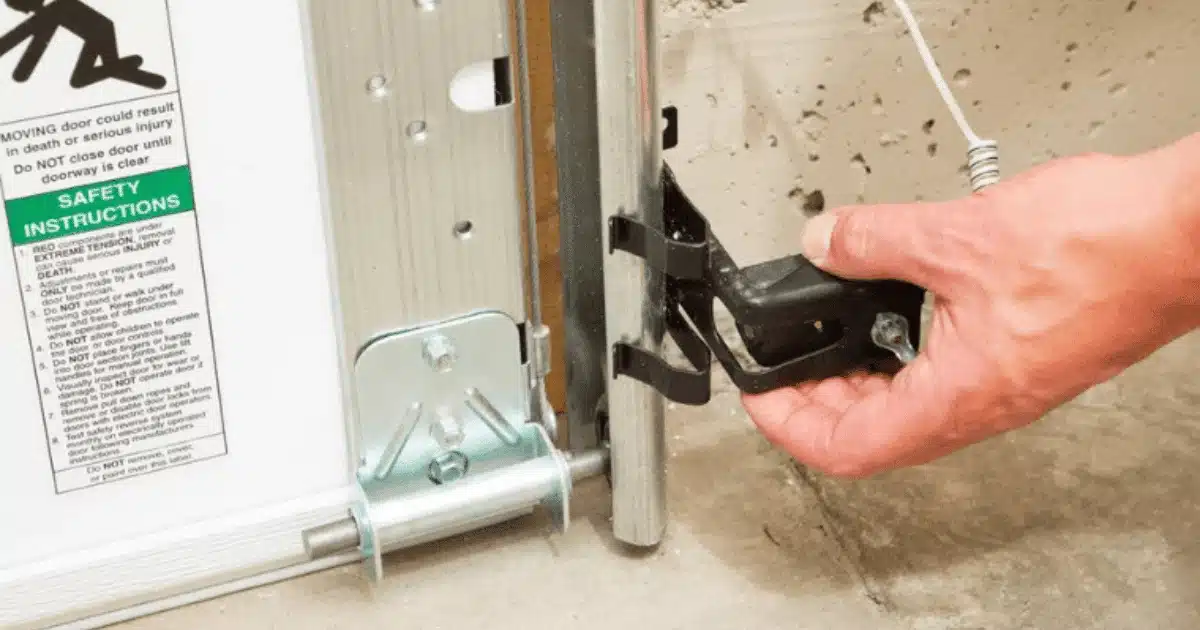
Modern garage door openers are equipped with safety sensors at the base of the door tracks. These sensors send an invisible beam across the door opening. When something blocks that beam, the opener will not close the door as a safety measure.
Signs to watch for:
- The door opens, but refuses to close
- The opener light blinks repeatedly
- The door reverses immediately after touching the ground
What you can do: Inspect the sensors on both sides of the door. Check that they are properly aligned and pointing at each other. Remove any debris, dust, or objects that may be blocking the beam. Sensors can also fall out of alignment after a bump from a vehicle or lawn equipment.
Prevention tip: Wipe sensor lenses monthly with a clean, dry cloth. Keep the area around the sensors clear of clutter, garden tools, and boxes.
Worn-Out or Damaged Drive System
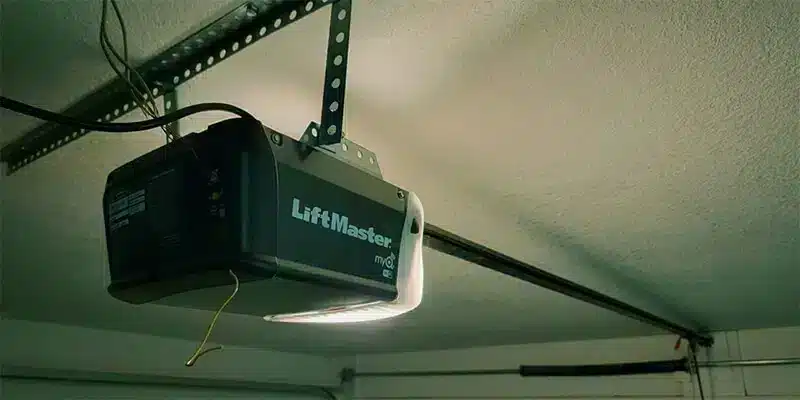
The drive system is the mechanism that actually moves your garage door up and down. Most residential openers use one of three systems: a chain drive, a belt drive, or a screw drive. Over time, these components wear out, stretch, or break.
Signs to watch for:
- Loud grinding or rattling sounds during operation
- The door moves slowly or unevenly
- The opener motor runs, but the door does not move
- Visible slack or sagging in the chain or belt
What you can do: Visually inspect the chain or belt for signs of damage or excessive slack. Do not attempt to tighten or repair the drive system on your own. These components are under tension and require a trained technician to handle safely.
Prevention tip: Have your drive system professionally inspected at least once a year. A technician can catch wear before it becomes a full breakdown.
If you are wondering why professional help matters for repairs like this, Why You Should Call a Professional for Garage Door Opener Repairs breaks down the risks of handling these jobs without the right training and tools.
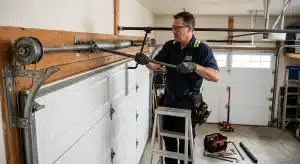
Broken Torsion or Extension Springs
Springs are one of the most critical parts of your garage door system. They carry most of the weight of the door, which makes the opener’s job much easier. When a spring breaks, the opener may struggle to lift the door or stop working altogether.
Signs to watch for:
- A loud bang or snap from the garage area
- The door feels extremely heavy
- The door only opens a few inches before stopping
- A gap in the torsion spring coil above the door
What you can do: If you suspect a broken spring, do not attempt to open the door manually or operate the opener. Broken garage door springs are under extreme tension and can cause serious injury if handled without professional training. This is a job strictly for a certified garage door technician.
Prevention tip: Springs have a cycle rating, meaning they are designed to last for a set number of open and closed cycles. Most standard springs last between 7 and 10 years, depending on usage. Ask a technician about the lifespan of your current springs during routine maintenance.
Industry experts consistently highlight how dangerous broken springs can be when handled without proper training or equipment.
To better understand when a full system evaluation may be needed, read When to Repair or Replace Your Garage Door Opener for a closer look at what signs indicate it may be time for a bigger decision.
Stripped or Worn Gear and Sprocket Assembly
Inside the motor unit of your opener sits a set of gears and a sprocket that drive the chain or belt. These plastic and metal components can wear down over time, especially on older openers or those used more frequently than average.
Signs to watch for:
- The motor runs but the door does not move
- A clicking or grinding noise from inside the opener unit
- The opener works inconsistently
What you can do: Gear and sprocket failures require the opener unit to be opened and the components replaced. This is not a DIY repair. A professional can assess whether replacing the gear assembly is the right call or whether the entire unit should be replaced.
Prevention tip: Avoid forcing the door if it feels stuck. Forcing a manual or automatic open against resistance puts additional strain on the gear assembly and accelerates wear.
Garage door openers are subject to strict industry safety standards for garage door openers, and understanding those guidelines can help homeowners recognize when something is not functioning as it should.
Electrical Issues and Power Problems
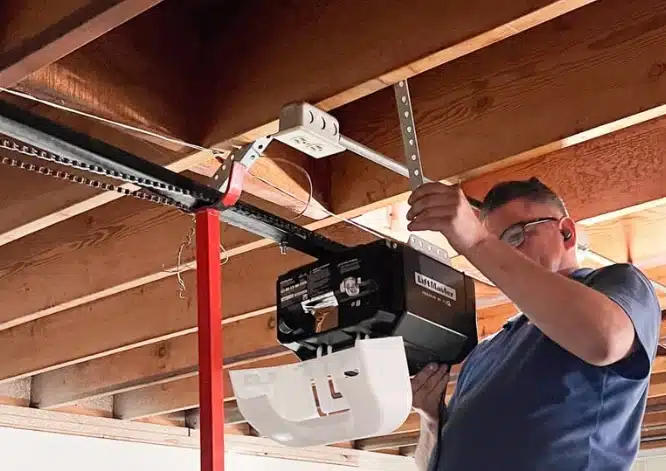
Your garage door opener is an electrical appliance. Like any appliance, it can be affected by power surges, tripped circuit breakers, and wiring problems.
Signs to watch for:
- The opener has no power at all
- The display or indicator light is off
- The opener stopped working after a storm or power outage
What you can do: Check the outlet your opener is plugged into by testing it with another device. Check your home’s circuit breaker panel for any tripped breakers. If the outlet is working and the breaker is fine, but the opener still has no power, the problem may be internal wiring or a fried circuit board.
Prevention tip: Consider installing a surge protector on your garage door opener circuit. Oklahoma City’s weather can bring sudden storms and lightning, which can cause power surges that damage the opener’s circuit board.
Limit Switch Problems
The limit switch tells the opener how far to move the door in both directions. When it is out of adjustment, the door may not open or close completely. It can also cause the motor to run after the door has already reached its stopping point, which burns out the motor over time.
Signs to watch for:
- The door does not open or close all the way
- The door reverses before reaching the floor
- The opener motor continues running after the door stops moving
What you can do: Limit switch adjustment is a technical repair that should be handled by a garage door professional. Incorrect adjustments can cause the door to reverse unexpectedly or fail to lock properly.
Prevention tip: If your door starts stopping short or reversing before it should, address it quickly. Ignoring it puts extra wear on the motor and the entire drive system.
Damaged or Misaligned Tracks
The tracks guide the door as it moves up and down. A bent, warped, or misaligned track can cause the door to jam, move unevenly, or stop midway through its travel.
Signs to watch for:
- The door makes a scraping or rubbing sound
- The door shakes or wobbles while moving
- The door stops or sticks at the same point every time
What you can do: Inspect the tracks visually for visible bends or gaps. Do not attempt to bend or straighten tracks on your own. Tracks are precision-cut components, and improper adjustments can make the problem worse and create a safety risk.
Prevention tip: Check for debris inside the tracks periodically. Small rocks, built-up grease, or dirt can cause resistance that damages the track over time.
Remote and Keypad Programming Errors
Sometimes the issue has nothing to do with mechanical components at all. Your remote or keypad may have lost its programming, especially after a power outage or if someone accidentally reset the opener.
Signs to watch for:
- The opener works from the wall button, but not the remote
- A new remote or keypad does not work
- The remote worked fine and then suddenly stopped
What you can do: Reprogram your remote or keypad according to the manufacturer’s instructions. If you are unsure, a garage door professional can reprogram the system quickly. Keep in mind that if your opener is very old, it may use a frequency that is no longer compatible with newer remotes.
Prevention tip: Write down your garage door opener’s model number and programming steps and store them somewhere accessible. This saves time when remotes need to be reprogrammed.
For a deeper look at the long-term cost of neglecting opener issues, read What Happens When You Ignore Garage Door Opener Problems to understand how small problems compound over time.
Age and General Wear
The average garage door opener lasts between 10 and 15 years. After that, components begin to fail more frequently, and repairs become more costly. At some point, the cost of continued repairs outweighs the benefit.
Signs to watch for:
- Frequent, recurring breakdowns
- Parts that are difficult or impossible to find
- Noisy and slow operation even after servicing
What you can do: If your opener is approaching or past the 10 to 15-year mark and is requiring repeated service calls, it may be time to consider replacement. A professional evaluation will give you a clear picture of where your system stands.
Your Garage Door Opener Deserves Expert Attention
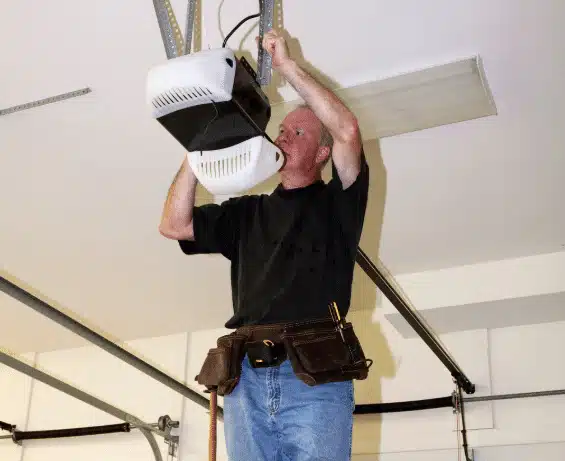
A garage door opener works hard every single day. When something goes wrong, the worst thing you can do is wait and hope it resolves itself. The issues outlined here rarely disappear on their own. In most cases, they grow into bigger, more expensive problems.
Oklahoma City homeowners trust CCM Overhead Doors for honest, professional garage door service. Whether your opener stopped responding completely or you are noticing warning signs you cannot quite explain, our team has the experience to diagnose the problem correctly and get your system working safely again. Contact us or give us a call to schedule your inspection.