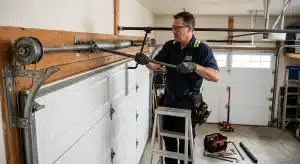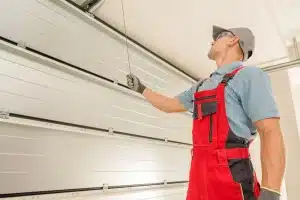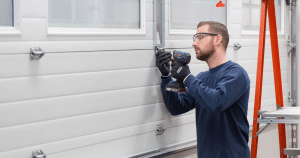
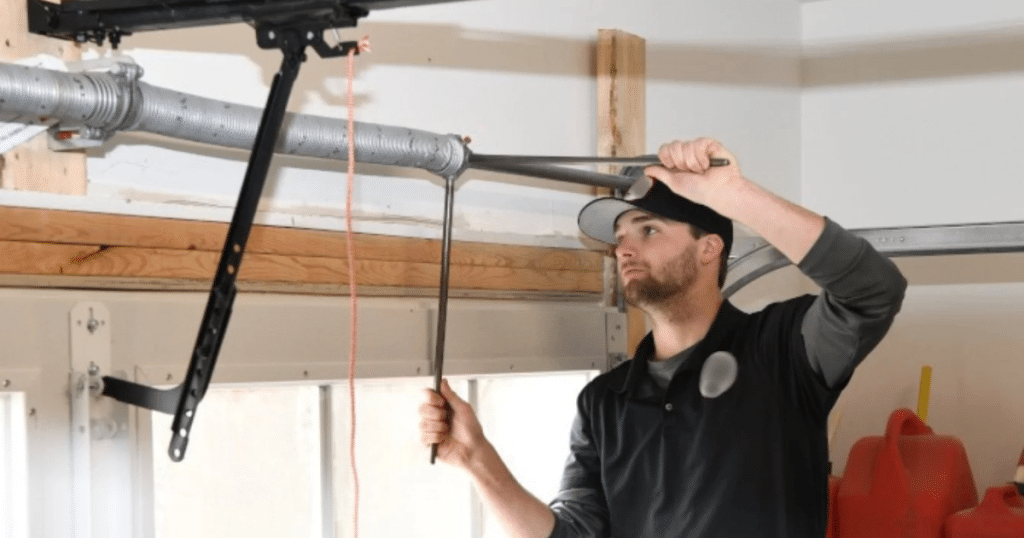
The reason your garage door opens and closes with minimal effort is that it relies on high-tension springs to balance the door’s weight. These springs absorb the heavy load and allow the system to move smoothly during each cycle. When a broken garage door spring occurs, the balance is lost, making the door difficult or impossible to lift. This can interrupt daily routines and limit access to your garage when you need it most.
Routine maintenance is essential for keeping these springs in good condition. Regular inspections help identify wear, rust, or tension loss before a failure happens. Addressing spring issues early helps preserve smooth operation, reduces strain on other components, and extends the overall lifespan of your garage door system.
Common Signs of Failing Garage Door Springs
Noticing the early signs of a broken spring in your garage door is essential. It helps keep your garage safe and ensures the door operates as intended. If the door feels heavy or does not open and close as it used to, it may indicate low spring tension. This is a sign that the spring is not working correctly. If the spring breaks simultaneously, the door may slam shut without warning, which can be dangerous.
It is also smart to check the surface of the spring now and then. If you see rust or gaps between the coils, there might be a problem. If the spring is broken, you will hear a loud noise. After that, you will not be able to lift the door. If this happens, the broken spring needs to be fixed right away.
Understand what happens behind the scenes when a garage door spring breaks and why it quickly becomes a major issue for homeowners by reading: What Happens When a Garage Door Spring Breaks—and Why It’s a Big Deal?
Sudden Difficulty Opening or Closing
A garage door that suddenly becomes hard to open or close is a key sign of a broken spring. This happens because the springs are not giving enough force to help lift the door. This affects the way the garage door works every day. The opener has to move more weight than it should. This puts a lot of stress on its motor and parts inside.
If a spring breaks completely, the loss of spring tension makes the door feel very heavy. It’s tough to lift by hand or with the opener. This change prevents you from using your garage and may pose a safety risk if the garage door falls while you or someone else is trying to use it. A broken spring means the garage door will not work again until you have a new spring installed.
If you ignore these early problems, there could be significant damage to other parts, like bent tracks, a harmed motor, or trouble with the door panels. Fixing the broken spring fast is much better for your wallet than waiting for a total spring failure, which could lead to bigger and more costly repairs.
See why a broken spring causes your garage door to suddenly stop working properly and lose its balance by reading: When a Garage Door Spring Breaks and Why the Door Suddenly Stops Working Properly.
Loud Noises or Snapping Sounds During Operation
Loud and strange sounds from your garage door while it moves can be the first sign of spring failure. You might hear a big bang or a sharp snap. This often means the high-tension torsion or extension spring has failed under heavy load. These noises should get your attention right away. They show that the main part that helps lift the door is now broken and needs to be inspected.
Snapping sounds occur because springs store significant energy. When one breaks, all that energy shoots out at once. Sometimes, you may also hear grinding or groaning from the failure modes of the spring. This could mean the spring coils are sticking together, or the spring’s surface is rubbing against another part. This can be caused by the spring material slipping out of place or wearing down.
After repeated stretching and compressing, the spring material wears out. When that happens, it stops working well and then cracks. These loud sounds are a clear sign that the spring failure is serious. This indicates the spring cannot perform its function properly and is no longer safe to use in your garage door.
Get insight into how a single broken spring can strain multiple components and disrupt your entire garage door system by reading: How a Broken Garage Door Spring Can Wreak Havoc on Your Entire System.
Visible Gaps, Rust, or Wear on the Spring
If you look closely at your garage door springs, you may notice visible signs of wear that suggest replacement is approaching. When inspecting a torsion spring with the door closed, a noticeable gap between the coils often indicates the spring has lost tension and is no longer performing as intended. With extension springs, a stretched appearance or failure to return to their original shape can signal weakening. When springs lose tension, the door may not seal properly, which can affect how well your garage maintains a consistent indoor temperature.
Rust or corrosion on a spring’s surface is another serious warning sign that should never be ignored. Corrosion weakens the metal and creates stress points that are more likely to crack under daily use. As spring material continues to deteriorate from constant movement and exposure to the elements, overall performance declines and lifespan shortens. Addressing worn or damaged springs early helps keep the door balanced, ensures a tight seal, and supports energy efficiency by reducing air loss through gaps in the garage door system.
Explore how maintaining door components, including springs, supports proper sealing and thermal performance by consulting energy efficiency resources from the U.S. Department of Energy.
How to Tell When It’s Time to Replace Your Springs
Knowing when to get a spring replacement for your garage door means watching for clear warning signs. These signs indicate that the spring material has been overused and can no longer perform its function effectively. Over time, spring material will experience fatigue failure because it stretches and compresses repeatedly, making it weaker each year.
Conducting regular inspections can help you identify small issues, such as rust or minor cracks, before they escalate into larger problems. This way, you can schedule a spring replacement before it stops working. If you notice any issues with the door’s operation or other damage, it is time to have a professional garage door spring replacement. Knowing these warning signs is very important to keep your garage door and the people in your home safe and working properly.
Performance Clues Homeowners Should Watch For
Watching your garage door operate every day helps you spot any issues with the springs. This lets you know when the springs need to be replaced. Springs that are almost worn out will make the door feel heavier when you lift it. The automatic opener might also work harder than before. For optimal performance, your garage door should be light and slide smoothly every time.
If you think something may be wrong, you can try a simple balance test. First, disconnect the opener. Then lift the door halfway by hand. If the door drops down or jumps up, the springs are out of balance. Paying attention to how your door moves, the spring’s life, and mechanical properties can help you avoid a sudden breakdown.
Here are some clues that show the springs or door are having trouble:
- The door moves up or down much more slowly than before.
- The door appears crooked or uneven when it moves up or down.
- The automatic opener quickly reverses after the door touches the ground.
- The door slams down hard instead of closing softly.
Find out why these components are important and why garage doors matter by visiting Building Safety Journal.
Routine Inspection Techniques for DIYers
It’s best to let experts handle complex tasks, but you can perform simple visual inspections to catch potential issues with your springs early. A quick look helps you spot signs of damage, such as rust, stretched parts, or significant gaps in the coils. These signs indicate that the spring steel is weakening. Regularly checking your springs is part of good home care.
You should also listen for unusual noises when the door moves, such as squeaking or grinding. These sounds may indicate friction or stress in the springs. Springs that are in good condition should be quiet. If you notice a new noise, it’s a good idea to look closer to find out what’s wrong.
For your regular visual inspections, you should:
- Look closely at the springs for any rust or corrosion.
- Ensure the cables and pulleys connected to the springs are not broken or loose.
- Check whether the springs are even and free of visible cracks.
- Ensure the mounting brackets are tight and not separating from the wall.
The Risks of Delaying Spring Replacement
Putting off a spring replacement for your garage door can bring big risks. When the spring fails, the opener must lift the entire door weight on its own. This places an excessive load on the motor and can cause it to burn out. What would just be the cost of a spring replacement could turn into higher repair costs for the opener itself.
If a spring is broken, there is a risk of significant damage to the garage door. When support stops, the door may drop quickly and roughly. The panels may bend, the tracks may be damaged, and the rollers may break. All these stress concentrations can push more parts to fail. What starts as one problem, such as a spring failure, can escalate into a full garage door repair.
The biggest issue is safety. If a garage door drops all of a sudden, it can injure you and your family. Addressing a spring replacement now is far better than waiting and incurring these potential risks. The stress concentrations and risk of significant damage are problems you do not want, and the trouble of this repair is small compared to what can come from putting it off.
Preventing Spring Failure With Regular Maintenance
The best way to prevent sudden spring failure is to maintain your garage door regularly. Taking these steps can help the life of the spring last longer. This keeps it in good condition, free from excessive rubbing or damage from airborne contaminants.
How the spring is made and what it is made of both affect its service life. But taking care of it over time does the most to keep it working through repeated openings and closings. If you know how to care for your springs, you can prevent unexpected breakdowns and save money on repair costs. Next, you will see tips about lubricating your springs, keeping your garage door balanced, and how to tell when it’s time to get a pro to check everything.
Lubrication and Cleaning Best Practices
Regularly maintaining your garage door springs can help them last longer and perform more reliably. The right lubricant for garage doors reduces friction in the coils. This allows the spring to move to and from with minimal noise and less effort. Using a high-quality spray helps maintain load capacity by preventing wear that can occur every day.
Clean garage door springs also matter, since wiping off dirt and grime gets rid of things that break down the protective coatings. If you keep the springs clean, rust is less likely. Rust is the primary factor that makes springs weak and fail prematurely.
To take good care of your springs, you should:
- Wipe each spring with a dry cloth to get rid of dust or grit.
- Spray a thin, even layer of the right lubricant from end to end on the garage door spring.
- Do not use heavy grease, as it attracts more dirt.
Following these steps helps keep your springs strong and ensures they last for years.
Adjustments and Balancing Safety Tips
Changing the springs on your garage door requires careful attention and proper training. These components operate under extreme tension and can be dangerous if mishandled. When a door is balanced correctly, it should stay in place when lifted halfway and released. If the door moves up or drops down, the spring tension is off, and professional garage door repair is often needed to correct the issue safely.
Attempting to adjust springs without the right tools or experience can lead to serious injury or damage to your garage door system. Springs store a significant amount of energy, and improper handling can cause them to reach their elastic limit and snap suddenly. For safety and long-term performance, spring adjustments should always be left to trained technicians.
To keep safe, make sure you do these things:
- Never attempt to change or remove torsion springs yourself.
- Always unplug the automatic opener before checking the door’s balance.
- Put on safety glasses to shield your eyes from bits that may fly out.
- Know your limits. If you cannot do it, call a pro for help.
Garage Door Spring Service For Reliable Operation
It is essential to understand how a spring failure in your garage door can affect its operation and safety. Keep an eye out for signs of wear, such as your garage door becoming difficult to open, making loud noises, or showing damage. Spotting these issues early can help you fix problems before they get worse. Doing regular check-ups and taking care of your garage door helps it work better and last longer. If you notice signs of wear on your springs, contact a professional to discuss next steps. Taking steps immediately can prevent larger problems and keep your garage safe.
CCM Overhead Doors delivers reliable garage door repair services built around real-world usage demands. Garage doors are designed for long-term use, but constant daily operation leads to gradual wear. Experienced technicians diagnose issues and perform repairs to restore smooth, reliable operation. Proper maintenance helps extend service life and reduce unexpected breakdowns.
Contact us today or give us a call for expert garage door repair solutions.
Frequently Asked Questions
What changes immediately when a garage door spring fails?
When a garage door spring fails, the door instantly loses the support that allows it to lift smoothly. We see that a door that once felt light and effortless suddenly becomes extremely heavy. This change often surprises homeowners and disrupts normal daily routines.
Why does the garage door go from smooth operation to feeling like a dead weight?
Garage door springs are designed to counterbalance the door’s weight during operation. Once a spring breaks, that balance is gone, leaving the full weight of the door unsupported. We find that this is why the door feels almost impossible to lift or control.
How does spring failure affect daily comings and goings?
Many homeowners rely on the garage door as their primary entry and exit. We observe that when a spring fails, vehicles can become trapped inside or outside the garage. This inconvenience can quickly interfere with work schedules, school routines, and daily responsibilities.
Why does the garage door opener stop working properly after spring failure?
The opener depends on the spring to reduce the load it must lift. When the spring fails, the opener may struggle, stop, or shut down to protect itself. We often see this mistaken for an opener malfunction rather than a spring issue.
Can you safely operate the garage door manually after a spring breaks?
Operating the door manually becomes much more difficult and risky. We recognize that the door’s weight can cause sudden drops or loss of control. For safety reasons, manual operation is not recommended until repairs are completed.
How does spring failure affect the door’s movement and balance?
Without proper spring tension, the door may lift unevenly or tilt to one side. We see that this uneven movement increases wear on tracks, rollers, and hinges. Over time, this can lead to additional system damage.
Why does daily use increase the risk of further damage?
Continuing to use the door places constant stress on weakened components. We find that repeated attempts to open or close the door can accelerate wear on the opener and hardware. This turns a single failure into a larger repair issue.
How does a broken spring impact household safety?
A door without spring support can close unexpectedly or become unstable. We understand that this poses risks to people, pets, and vehicles nearby. Safety becomes a major concern until the spring is properly replaced.
What inconveniences do homeowners often underestimate after spring failure?
Homeowners often underestimate how disruptive a non-functioning garage door can be. We see that access limitations, security concerns, and safety risks add up quickly. What seems like a small mechanical issue can affect daily life in multiple ways.
Why is prompt repair essential for restoring normal daily use?
Prompt repair restores the balance and smooth operation of the garage door. We believe timely service helps prevent additional damage and safety risks. Professional repair allows homeowners to return to normal daily routines without ongoing disruption.