
A dock leveler is a crucial piece of equipment used in warehouses and loading docks to connect the dock floor with the trailer bed, ensuring safe and efficient loading. It ensures smooth, safe, and efficient movement of goods, reducing the risk of accidents and product damage. In this guide, we will answer the question of what is a dock leveler is and explore its types, benefits, safety features, and maintenance tips.
To boost the safety and efficiency of your loading dock, knowing what a dock leveler is can have a major impact on daily operations. These devices are essential for smooth logistics, from boosting productivity to minimizing costly downtime. Keep reading to discover why dock levelers are a must-have for any warehouse or distribution center.
What is a Dock Leveler?
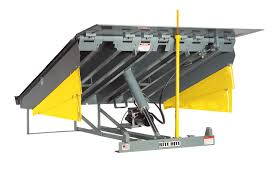
A dock leveler is essential equipment for loading docks, designed to close the gap between the warehouse floor and a truck or trailer bed. It provides a secure, stable platform for forklifts and pallet jacks, minimizing the risk of accidents and product damage. Knowing what a dock leveler is can greatly improve warehouse efficiency.
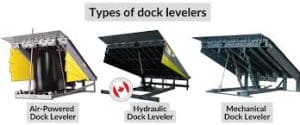
Dock levelers come in various types, including mechanical, hydraulic, and air-powered models, each designed to handle different load capacities and operational needs. They adjust to the height of the truck bed, ensuring smooth movement for heavy loads. This equipment is essential in warehouses, distribution centers, and manufacturing facilities where goods move frequently.
Why Dock Levelers are Essential for Efficient Loading and Unloading
Dock levelers are essential for efficient loading and unloading because they create a safe, level path between the loading dock and a truck or trailer. This helps lower the risk of accidents and product damage, leading to more efficient operations. Understanding what is a dock leveler can help businesses improve their logistics, minimize downtime, and keep workers safe.
Dock levelers are a must-have for businesses that handle heavy loads and tight schedules. They reduce the risk of worker injuries and product damage by providing a secure connection between the dock and the truck. This stability boosts efficiency and cuts down on repair costs, making them a valuable investment for any warehouse or distribution center.
Types of Dock Levelers
Understanding what is a dock leveler also means knowing the different types available. Choosing the right one depends on your facility’s needs, including load capacity, frequency of use, and budget.
Hydraulic Dock Levelers
Hydraulic dock levelers are powered by hydraulic cylinders, making them easy to operate with minimal physical effort. They are valued for their strength, long-lasting performance, and capacity to handle heavy loads.
Mechanical Dock Levelers
Mechanical dock levelers require manual effort to operate but are more budget-friendly. They are ideal for facilities with moderate loading needs and can be easily maintained without complex parts.
Air-Powered Dock Levelers
Air-powered dock levelers operate using inflatable airbags to lift and lower the platform, combining durability with energy-saving performance. They are less prone to rust and need less maintenance.
Specialty Dock Levelers
Specialty dock levelers, including vertical, edge-of-dock, and low-profile models, are designed for tight spaces or unique load requirements in specialized loading dock setups.
Important Factors to Keep in Mind When Selecting a Dock Leveler
Choosing the right dock leveler is important for safe and efficient loading operations. Understanding what is a dock leveler helps you pick the best one for your needs.
Load Capacity
Ensure the dock leveler can support the weight of your heaviest loads, including forklifts, pallets, and other material handling equipment, without risking damage or safety issues.
Platform Size
Select a platform size that matches the width and length of your typical vehicles. This will ensure a secure and stable connection for efficient loading and unloading operations.
Range of Motion
Choose a dock leveler with a wide range of motion to handle various trailer heights, making loading and unloading different types of trucks easier.
Safety Features
Look for essential safety features, such as non-slip surfaces, toe guards, safety tips, and emergency stop buttons, to protect workers and prevent costly accidents.
Ease of Maintenance
Pick a dock leveler that is simple to maintain, with easily accessible components and fewer moving parts, reducing downtime and long-term repair expenses.
Durability and Build Quality
Choose dock levelers made from high-quality, corrosion-resistant materials that withstand harsh environments and heavy use for long-lasting performance.
Energy Efficiency
Consider dock levelers with energy-efficient designs. These designs reduce power consumption and lower operating costs, making them more cost-effective.
Benefits of Using Dock Levelers
Dock levelers are essential for efficient warehouse operations. Understanding what is a dock leveler and its benefits can help you improve safety and productivity in your facility.
Enhanced Safety
Dock levelers reduce the risk of worker injuries by creating a stable, secure connection between the dock and the truck, preventing slips and falls.
Reduced Product Damage
They minimize the impact during loading and unloading, reducing the chance of product damage and costly replacements.
Improved Efficiency
Dock levelers speed up loading and unloading, reducing wait times and keeping your supply chain moving smoothly.
Operational Flexibility
They handle a wide range of trailer heights, making working with different types of vehicles easier.
Cost Savings
Fewer accidents and less product damage mean lower insurance premiums and reduced repair costs.
Long-Term Durability
High-quality dock levelers are built to last, reducing the need for frequent replacements and cutting long-term operational costs.
Reduced Downtime
Properly maintained dock levelers reduce the risk of unexpected breakdowns, keeping your operations running smoothly.
Common Maintenance Tips for Dock Levelers
Regular maintenance is essential for the long-term performance of your dock leveler. Understanding what is a dock leveler also means knowing how to keep it in top shape.
- Regular Inspections: Inspect your dock leveler regularly for signs of wear, rust, and loose bolts to catch minor problems before they become costly repairs.
- Lubricate Moving Parts: Apply grease or oil to moving parts like hinges and pivot points to reduce friction and extend the life of your dock leveler.
- Check Hydraulic Fluid Levels: Ensure fluid levels are correct for hydraulic models to avoid sluggish movement and smooth operation.
- Clean the Platform: Remove debris and dirt from the platform to prevent slipping and keep the surface safe for workers and equipment.
- Tighten Loose Hardware: Regularly check and tighten bolts, nuts, and fasteners to keep your dock leveler secure and stable during use.
- Inspect Safety Features: Test safety features like toe guards, safety tips, and stop buttons to ensure they work correctly and prevent accidents.
- Test Range of Motion: Make sure the dock leveler can move smoothly and align correctly with truck beds for safe and efficient loading.
Dock Leveler Safety Best Practices
Safety is a top priority when using dock levelers. Knowing what is a dock leveler is just the first step, following best practices ensures a safer work environment.
- Provide Proper Training: Ensure all operators receive comprehensive training on safe dock leveler use, emergency procedures, and proper loading techniques to reduce accidents and equipment damage.
- Inspect Before Use: Before each use, check for visible damage, loose parts, rust, and proper alignment to prevent equipment failure and ensure worker safety.
- Use Safety Features: Always engage safety lips, toe guards, and stop buttons to protect workers during loading and unloading and reduce the risk of accidents.
- Clear the Area: Keep the dock area free from clutter, debris, and obstacles to reduce trip hazards and ensure clear, safe movement.
- Communicate Clearly: Use clear signals, hand gestures, or radios to coordinate loading and unloading between drivers and dock workers, reducing the risk of accidents.
- Wear Protective Gear: Workers must wear gloves, steel-toed boots, high-visibility clothing, and hard hats for added safety during loading and unloading.
- Follow Weight Limits: Never exceed the dock leveler’s rated capacity to avoid equipment failure, worker injuries, and costly repairs.
How to Choose the Right Dock Leveler for Your Facility
Choosing the right dock leveler for your facility starts with understanding what a dock leveler is and how it fits into your operations. Consider factors like the weight of your loads, the frequency of use, and the types of vehicles you handle. Make sure the dock leveler can handle the heaviest loads without compromising safety or performance over time.
When selecting a dock leveler, consider your budget, long-term maintenance costs, and energy efficiency. Investing in the right model can reduce downtime, improve safety, and boost productivity. Choosing a design that can handle your facility’s peak demand is also important, ensuring smooth operations and lower repair costs in the long run.
FAQs About What is a Dock Leveler
What is a Dock Leveler Used For?
A dock leveler bridges the gap between a loading dock and a truck bed, creating a safe, level surface for forklifts and pallet jacks. It helps prevent accidents and product damage, improving overall warehouse efficiency.
What is the Difference Between a Dock Leveler and a Dock Plate?
A dock leveler is a permanent, heavy-duty platform with adjustable height, while a dock plate is a portable, lightweight ramp for smaller loads. Dock levelers handle heavier weights and offer more stability than dock plates.
How Often Should Dock Levelers Be Serviced?
Depending on usage and load capacity, dock levelers should be serviced every three to six months. Regular inspections, lubrication, and safety checks can extend the life of the dock leveler and reduce costly garage door repairs.
How Does a Dock Leveler Work?
A dock leveler works by adjusting its height to match the truck bed, creating a smooth path for loading and unloading. It uses mechanical, hydraulic, or air-powered systems to lift and lower the platform.
How Much Weight Can a Dock Leveler Hold?
Most dock levelers, depending on the model, are designed to support loads ranging from 25,000 to 80,000 pounds. Your facility’s maximum weight should determine the right dock leveler.
Conclusion
Dock levelers are a smart investment for businesses looking to improve efficiency and safety. Understanding what is a dock leveler is essential for selecting the right model for your facility. It reduces product damage, speeds up loading times, and lowers the risk of workplace accidents, making it a valuable asset for any operation.
If you need reliable solutions like dock levelers or professional garage door repair in Oklahoma City, OK, consider working with a trusted provider like CCM Overhead Doors. We understand the importance of keeping your operations running smoothly, and our team is here to help you choose the best equipment for your needs.
Don’t wait for costly repairs or downtime. Contact CCM Overhead Doors today to upgrade your facility with high-quality dock levelers and expert garage door repair in Oklahoma City, OK. Take the first step toward a safer, more efficient workplace and keep your business moving forward.
End Note
Keep your facility running smoothly with top-quality dock levelers, garage door repair, and professional services from CCM Overhead Doors. Visit our main website to explore our full range of dock levelers for every need, including loading dock levelers and specialty dock levelers. We also offer dependable garage door openers to ensure smooth and hassle-free operation.
For professional garage door repair, regular maintenance, and a full range of essential garage door services. Visit our services page to learn how we can assist you. We proudly serve multiple areas, so check our service areas to see if we’re in your neighborhood. Learn more about our team on our About Us page and read what our customers say in our reviews.
Follow us on YouTube, Instagram, and Facebook to stay up to date with the latest news and updates. Visit our reviews page for customer stories and explore our Blog for expert tips. Check out our photo and video galleries for inspiration on our work. Ready to upgrade your facility? Contact us today for expert support.
CCM Overhead Doors
1000 NW 80th St, Oklahoma City, OK 73114, United States
+14055638982