A garage door that starts failing years before it should is more than an inconvenience. It is a sign that something in the system has been working against it from the start, or has been left unchecked for too long. Most homeowners in Oklahoma City expect their garage doors to last a couple of decades, but that expectation falls apart when the underlying causes of premature wear go unaddressed.
Most of the reasons a garage door wears out too fast are preventable. They stem from identifiable problems, ranging from how the door was installed to how Oklahoma’s climate puts daily stress on materials and components. Staying on top of routine garage door service is one of the most effective ways to catch these problems early. This guide breaks down the key causes, what each one does to your system over time, and what you can do right now to slow things down.

How Installation Mistakes Cut Years Off Garage Door Lifespan
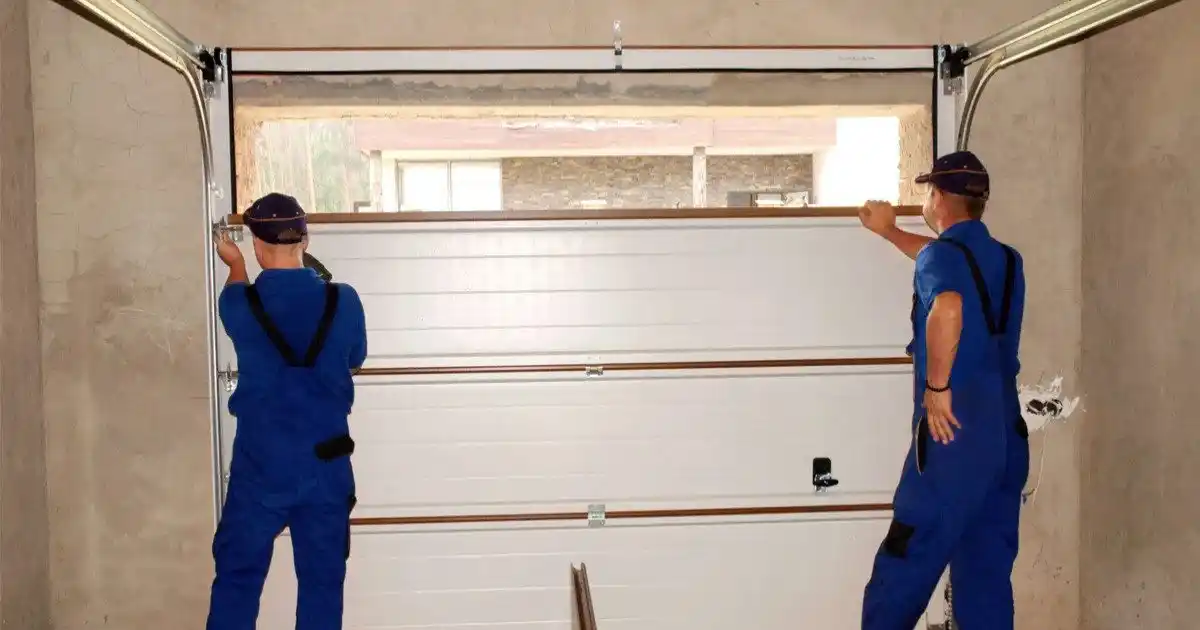
The way a garage door is installed sets the foundation for everything that follows. A door that is installed correctly will perform reliably for years. One that is not will begin showing problems far sooner than the manufacturer intended, no matter how high the quality of the materials.
Improper Balance and Alignment at Installation
- A door that is not properly balanced places uneven tension on the springs, causing them to fatigue faster than normal
- Misaligned tracks create friction points that force the rollers and panels to absorb stress they were not designed to handle
- An unbalanced door also puts excess strain on the opener motor, which shortens its operational life and leads to more frequent repairs
- Balance issues are not always obvious from the outside, which is why a professional installer should test the door before completing any job
Using the Wrong Hardware for the Door Weight
- Springs, cables, and rollers are rated for specific door weights, and using undersized components leads to rapid wear and early failure
- Installers who cut costs with standard-grade hardware on heavy doors create a mismatch that the system cannot sustain long-term
- Rollers made from low-grade materials wear down faster against the track, increasing vibration and noise over time
- Choosing hardware that matches the door’s actual specifications is one of the most important decisions made during installation
If you are trying to understand the broader picture of how long your door should last, our guide on How Long Is a Garage Door Supposed to Last? gives you that full context.
The Role of Oklahoma City’s Climate in Garage Door Wear
Oklahoma City homeowners deal with some of the most varied weather conditions in the country. Summers bring intense heat, winters deliver hard freezes, and spring storm seasons add wind, rain, and hail. All of that puts real stress on a garage door system over time.
Knowing what to check after a heat wave or a cold snap can mean the difference between a minor adjustment and a costly repair.
Heat, Sun, and Freeze Damage on Panels and Hardware
- Prolonged UV exposure causes painted steel surfaces to fade and crack, leaving the metal underneath vulnerable to rust
- Oklahoma summers regularly push temperatures above 100 degrees, which accelerates the degradation of rubber seals and weatherstripping
- Cold temperatures make metal components contract and springs more brittle, raising the risk of snapping during cold morning operation
- Lubricating all moving parts before winter and inspecting seals before summer reduces climate-related wear significantly
How Skipping Maintenance Speeds Up Garage Door Deterioration
Maintenance is not just a recommendation. For a system with as many moving parts as a garage door, it is what separates a door that lasts 25 years from one that needs replacing in 12. When routine garage door maintenance is skipped, small problems compound into larger ones faster than most homeowners realize.
Lack of Lubrication on Moving Components
- Rollers, hinges, and springs that run dry create metal-on-metal friction that grinds down components with every cycle
- Dry springs are under constant tension, and without lubrication, they develop micro-fractures that eventually lead to a full break
- A squeaky or grinding garage door is almost always a sign that lubrication has been skipped for too long
- Applying a proper lubricant every six months is one of the lowest-effort, highest-impact maintenance steps available
Ignoring Loose Hardware and Minor Misalignments
- Vibration from daily operation gradually loosens the bolts, screws, and brackets that hold the track and frame in place
- A track that shifts even slightly out of alignment creates drag that the rollers and opener have to compensate for with every cycle
- Small misalignments left unchecked can eventually cause a roller to jump the track, leading to a sudden and complete failure
- A quick hardware check every few months, tightening anything that has worked loose, takes only minutes, but prevents serious problems
Opener Problems That Accelerate Garage Door Wear
The garage door opener is often overlooked as a source of wear on the door itself, but the two systems are deeply connected. An opener that is not properly set, or that is not the right fit for the door, can cause damage that accumulates quietly until the door starts struggling or fails entirely.
The Spruce outlines the most common garage door issues homeowners encounter, including opener-related problems that go unnoticed. Their guide on troubleshooting common garage door problems is a practical reference for identifying what is actually wrong with a struggling door.
Force Settings and Opener Mismatch
- When an opener’s force setting is set too high, it pushes and pulls the door with more power than the hardware is designed to absorb
- Over time, excessive force stresses the hinges, bends the top section of the door, and wears out the spring system faster
- Openers rated for specific door weights create an imbalance when mismatched, tending to jerk the door rather than lift it smoothly
- Having a technician check force settings and opener compatibility during a tune-up is a simple step that protects the full door system
Physical Damage That Compounds Over Time
Not all garage door wear comes from inside the system. Physical damage from impacts, weather, and outdoor exposure plays a significant role in how quickly a door deteriorates. What might look like a cosmetic issue at first can become a structural one if left alone.
Angi’s guide on how to inspect and maintain your garage door walks through what homeowners should check for during a visual inspection, including early signs of damage that are easy to miss.
Panel Damage and Weatherstripping Wear
- A dented panel changes the structural integrity of that section, causing it to flex unevenly and put stress on surrounding panels
- Cracks in wood or composite doors allow moisture to enter, which leads to swelling, warping, and eventually rot
- A torn or hardened bottom seal allows water to pool under the door and lets in pests, which in Oklahoma City can include insects that reach attached living spaces
- Replacing weatherstripping and addressing panel damage early prevents the problem from spreading to the rest of the door
Knowing when to stop repairing and start replacing is a decision many homeowners struggle with. Our guide on When Should You Repair vs Replace Your Garage Door? breaks down exactly how to make that call with confidence.
When Wear Becomes a Replacement Decision
There is a point where the damage is extensive enough that repair is no longer the practical path forward. Recognizing that point early helps homeowners avoid pouring money into a system that is already past its useful life. Understanding the right time for garage door replacement saves both time and money in the long run.
Signs the System Is Beyond Repair
- If the same spring, cable, or roller has been repaired more than once in a short period, the underlying cause of failure has not been addressed
- Visible bowing across multiple panels, rather than a single dented section, indicates the door’s core structure has been compromised
- When the frame, spring anchor bracket, or horizontal track is warped, repair costs often approach or exceed the cost of full replacement
- At that stage, a full replacement is typically the more cost-effective and reliable long-term choice
For a structured plan on how to protect your investment going forward, our guide on Garage Door Maintenance Tips to Make It Last Longer gives you a clear routine you can follow throughout the year.
Small Problems Do Not Stay Small
Premature garage door wear almost always traces back to one of the causes covered here, whether it is an installation issue, a climate challenge, a skipped maintenance step, or physical damage left alone too long. The earlier these problems are caught, the less damage they do and the more life you preserve in the door.
CCM Overhead Doors is the team Oklahoma City homeowners turn to when a garage door needs a professional eye. From diagnosing early wear to handling full system repairs, their experienced technicians know exactly what to look for and how to address it. Contact us or give us a call to get your door back on track before a small issue turns into a costly one.