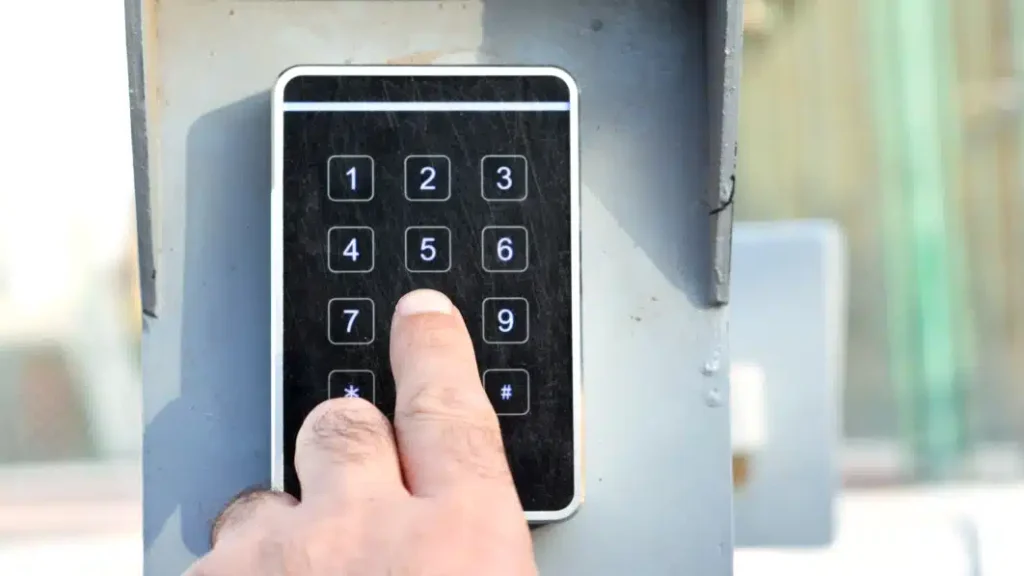
You punch in your code. Nothing happens. You try again. Still nothing. Before you start thinking the worst, take a breath, because nine times out of ten, a LiftMaster residential garage door opener keypad that suddenly stops working has one of the simplest explanations possible: a dead or dying battery.
It sounds almost too basic to be the answer, but battery failure is the single most common cause of keypad problems that garage door technicians in Oklahoma City and across the country encounter on service calls. This guide will walk you through everything you need to know about your LiftMaster keypad battery, how to spot the warning signs early, what type of battery you actually need, what the replacement process involves, and how to keep it from becoming a recurring problem.
Why the Battery in Your LiftMaster Keypad Matters More Than You Think
Your garage keypad is an outdoor device. It sits outside your home year-round, exposed to every season Oklahoma City throws at it, blazing summer heat, ice storms, humidity, and everything in between. That outdoor environment puts real stress on the battery inside.
Unlike the remote control in your car or the wall button inside your garage, the keypad has to operate in conditions that actively work against battery performance. Understanding this helps explain why keypad batteries do not always last as long as people expect and why battery-related problems are a common reason homeowners end up needing garage door repair.
Here is what directly impacts battery life in a LiftMaster keypad:
- Temperature extremes — Both high heat and freezing cold reduce how efficiently a battery delivers power. Oklahoma City winters are especially tough on battery output.
- Frequency of use — A household that uses the keypad multiple times a day will drain the battery faster than one that uses it occasionally.
- Battery quality — Not all batteries are created equal. Lower-quality or off-brand batteries may list the same voltage but deliver inconsistent power over time.
- Keypad age — Older keypads may draw slightly more power due to aging internal components, shortening battery intervals.
- Backlight usage — Keypads with illuminated displays use more power than those without, especially if the backlight stays on for extended periods.
If the keypad lights up but the door does not move, the issue has shifted from power to signal or programming. If specific buttons are still not responding after a battery change, there may be physical damage to the keypad itself. For a deeper look at that specific problem, read Common Causes and Solutions for LiftMaster Keypad Buttons Not Working.
Warning Signs Your LiftMaster Keypad Battery Is Dying
The good news is that a dying battery rarely fails without warning. If you know what to look for, you can catch it before it leaves you locked out of your garage. Here are the signs to watch for:
- Dim or flickering display — When the backlight looks noticeably dimmer than usual or flickers when you press buttons, battery voltage is dropping.
- Delayed response — You enter the code, and there is a pause before the door reacts, or it reacts slowly. Low battery voltage can cause sluggish signal transmission.
- Intermittent operation — The keypad works sometimes but not others, especially in the morning when temperatures are cooler.
- Door opens partially, then stops — In some cases, a low battery mid-cycle causes the opener to receive a weak signal and stop the door partway through its movement.
- No response at all — The most obvious sign. If the display does not light up when you press a button, the battery is likely completely dead.
- Works only when pressing hard — If you have to press buttons with extra force to get a response, diminishing battery power is reducing the signal strength.
Pro Tip: If your keypad only acts up on cold mornings but works fine later in the day, that is a classic sign of a battery that is nearly depleted. Cold temperatures suppress battery output significantly, and a battery that is borderline at room temperature will fail completely when it is cold outside.
What Type of Battery Does a LiftMaster Keypad Use
Most LiftMaster outdoor keypads use a single 9-volt alkaline battery. This is the standard rectangular battery with the two terminals on the same end, the same type used in smoke detectors.
Here is what you need to know about choosing the right one:
- Always use alkaline — Alkaline batteries deliver consistent voltage over their lifespan and handle temperature changes better than other types.
- Avoid rechargeable batteries — Rechargeable 9-volt batteries output approximately 8.4 volts instead of the full 9 volts. That difference may seem small, but it is enough to cause intermittent failures and inconsistent keypad behavior with LiftMaster systems.
- Stick to name brands — Duracell and Energizer are the most recommended options by garage door professionals. Generic or store-brand batteries may work initially but tend to have shorter and less predictable lifespans.
- Check the expiration date — Batteries sitting in a drawer for years lose charge even without being used. Always use a fresh battery with a distant expiration date.
What the Battery Replacement Process Generally Involves
Every LiftMaster keypad model is slightly different, but the general process for accessing and replacing the battery follows a similar pattern across most units. Here is what it typically looks like:
- Locate the battery compartment — On most LiftMaster keypads, the battery compartment is accessed by opening the back cover or a small panel on the side or bottom of the unit. Some models require sliding the cover down, while others use a tab release.
- Remove the old battery — Take note of which direction the battery is oriented before removing it. Most compartments have polarity markings, but it is good practice to confirm.
- Insert the new battery — Place the fresh 9-volt battery in the correct orientation. You should feel or hear a light snap when the connectors seat properly.
- Close the compartment — Make sure the cover is fully closed and secure. A loose cover on an outdoor keypad is an invitation for moisture to get inside.
- Test the keypad — Enter your PIN and confirm the door responds. If the display is brighter and the response is immediate, you are in good shape.
If you replace the battery and the keypad still does not work, the issue may be programming-related rather than power-related. In that case, refer to How to Reset and Reprogram a LiftMaster Keypad That Is Not Responding for guidance on what to check next.
How Oklahoma City’s Climate Shortens Battery Life
Oklahoma City sits in a climate zone that is genuinely tough on outdoor electronics. The city sees an average of over 50 days per year above 90°F, combined with cold snaps that can drop temperatures well below freezing in winter. That range, from extreme heat to extreme cold, is one of the worst environments for battery performance.
Here is how each season affects your keypad battery specifically:
- Summer: Heat accelerates chemical reactions inside the battery, which can actually cause it to drain faster even when the keypad is not in use. Direct sun exposure on a south or west-facing garage wall makes this worse.
- Fall: Temperature swings between warm days and cold nights stress the battery as it repeatedly contracts and expands. This is when intermittent keypad behavior often starts showing up.
- Winter: Cold temperatures slow the chemical reactions that generate power, reducing the battery’s effective output. A battery at 20°F may only deliver a fraction of the power it would at 70°F.
- Spring storm season: Oklahoma City’s severe weather season brings humidity spikes and rapid pressure changes. While these do not directly drain batteries, moisture intrusion during storms can corrode battery contacts and accelerate failure.
Pro Tip: Make it a habit to replace your LiftMaster keypad battery every October, before Oklahoma City’s cold season hits. That simple annual routine eliminates most weather-related keypad failures before they happen.
What Happens If You Ignore a Low Battery Too Long
A lot of homeowners put off battery replacement because the keypad is still technically working, just inconsistently. That approach carries more risk than most people realize. Here is what can happen when a dying battery is left in place too long:
- Programming loss — When battery voltage drops below a critical threshold, the keypad may lose its stored PIN and connection to the opener. You will need to reprogram it after replacing the battery.
- Battery leakage — Old batteries that are fully depleted can leak corrosive material inside the compartment. That residue can damage the battery contacts and, in severe cases, the internal circuit board of the keypad itself.
- Lockout situations — If the battery dies completely while you are away from home and you do not have another way into the garage, you could find yourself locked out — not a situation you want to deal with during a late night or bad weather.
- Damage to the keypad housing — Leaked battery acid is corrosive and can eat through plastic components over time, turning a simple battery replacement into a full keypad replacement.
The cost difference between replacing a battery proactively and replacing an entire keypad unit because of battery damage is significant. Staying ahead of it is always the smarter move.
How to Make Your LiftMaster Keypad Battery Last Longer
Once you have a fresh battery in place, here are the habits that will help you get the most life out of it:
- Replace annually regardless of performance — Do not wait for signs of failure. Treat it like a smoke detector battery and swap it out on a set schedule.
- Keep the keypad cover closed — If your model has a protective flip cover, keep it closed when not in use. It reduces exposure to the elements and prevents accidental button presses that drain the battery.
- Mount the keypad in a sheltered spot if possible — A location with some overhead protection from sun and rain extends both battery life and the overall lifespan of the unit.
- Avoid leaving the display lit — Some models allow you to adjust how long the backlight stays on. Reducing that duration saves battery power over time.
- Inspect battery contacts seasonally — Once or twice a year, open the battery compartment and check the metal contacts for any signs of corrosion or residue. Clean them gently with a dry cloth if needed.
Maintenance habits like these are widely recommended in homeowner guides, such as garage door maintenance tips, to help extend system life and prevent avoidable issues.
Signs the Problem Goes Beyond the Battery
Sometimes a new battery does not solve the problem, and that is important information. Here is what to look for after a battery replacement that does not restore normal function:
- The keypad still does not light up with a brand-new battery installed
- The display works, but the door still does not respond to the correct PIN
- Certain buttons remain unresponsive even with full power
- The keypad works for a day or two and then fails again
When basic troubleshooting does not resolve the issue, it may point to a broader system problem affecting the opener, signal communication, or another connected component.
And if you are unsure whether the issue is the keypad, the battery, or something connected to the opener, going back to the basics is always a smart move. LiftMaster Keypad Not Working? What to Check First covers the full diagnostic starting point.
Is It Time to Replace the Entire Keypad Instead
There comes a point where replacing the battery is no longer the answer; the keypad itself needs to go. Here is how to know when you have reached that point:
- The keypad is more than 8 to 10 years old and has been through multiple Oklahoma City weather seasons
- Battery contacts are visibly corroded or damaged beyond cleaning
- The housing is cracked, broken, or no longer seals properly against moisture
- Buttons have become physically worn and no longer register input reliably
- The keypad is incompatible with a newly installed opener
A keypad replacement is a straightforward job for a qualified garage door technician, and it is far less expensive than most homeowners expect. The average cost for a new LiftMaster keypad and professional installation in Oklahoma City is very reasonable compared to the security and convenience it provides.
Your Garage Access Deserves a Reliable Power Source
A dead battery is a small problem with a big impact on your daily routine. The silver lining is that it is one of the easiest things to stay ahead of with just a little attention. Know the warning signs, use the right battery, replace it on a schedule, and you will rarely find yourself locked out of your own garage because of something as simple as a depleted 9-volt.
If you have replaced the battery and worked through the basics, but your LiftMaster keypad is still not cooperating, it is time to bring in professional eyes. For Oklahoma City homeowners, CCM Overhead Doors is the trusted team for keypad diagnostics, repairs, and full system evaluations. Do not let a small issue turn into a bigger one. Contact us or give us a call today, and get your garage access working the way it should.