If you’ve ever walked up to your garage, punched in your code, and got absolutely nothing, no beep, no click, supposed to make life easier, not harder. But like any piece of technology, no movement, you know how frustrating it is. Your LiftMaster keypad can run into problems.
The good news is that most residential garage door opener keypad issues are not as serious as they seem. Many can be identified quickly when you know what to inspect first. This guide walks through the most common reasons a LiftMaster residential garage door opener keypad stops working, what to check first, and when it is time to call a professional, especially in Oklahoma City, where weather shifts and temperature swings can affect performance.
Why Your LiftMaster Keypad Stops Working
Before you assume the worst, understand this: a keypad that stops working usually comes down to a handful of common issues. Many of them are straightforward to identify, even if the right solution ultimately requires professional garage door repair.
Here are the most common reasons your LiftMaster keypad may stop functioning:
- Dead or weak batteries — This is the number one culprit. A keypad running on low batteries may light up but fail to send a signal.
- Incorrect or forgotten PIN — It happens more than people admit. If the code was recently changed or the keypad was reprogrammed, the old code will no longer work.
- Signal interference — Other wireless devices, LED bulbs, or even nearby electronics can disrupt the communication between your keypad and opener.
- Programming loss — Power surges or outages can sometimes wipe keypad memory, causing it to lose its connection to the opener.
- Damaged or worn-out buttons — Buttons that are physically worn, cracked, or stuck can fail to register input.
- Weather and moisture damage — In Oklahoma City, where summers are hot and storms roll through fast, moisture can get into the keypad housing and cause internal damage.
- Wiring or receiver issues — If the keypad itself is fine but the opener’s receiver is damaged, commands will never reach the motor unit.
For a complete step-by-step battery replacement walkthrough, read LiftMaster Keypad Battery Replacement: Step-by-Step Guide to Restore Entry Access.
The First Things to Check on Your LiftMaster Keypad
Think of this as your first-line diagnostic. Before calling anyone, go through this checklist:
- Check the batteries first. Replace them with fresh alkaline batteries. Avoid rechargeable batteries as they often produce slightly lower voltage and can cause intermittent issues with LiftMaster keypads.
- Test the code. Enter your PIN slowly and deliberately. Make sure you are not accidentally pressing extra digits. Try the code a few times before ruling it out.
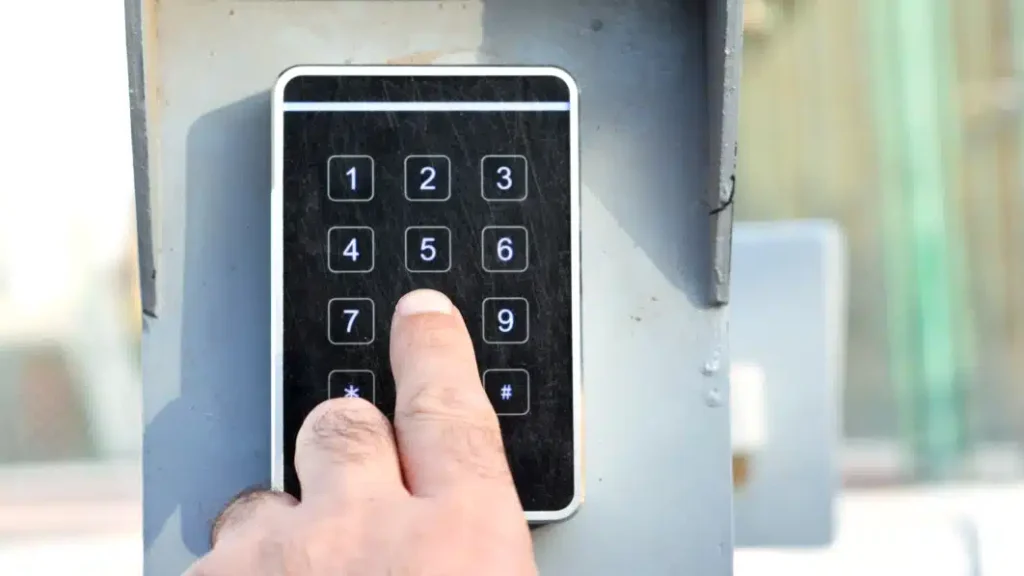
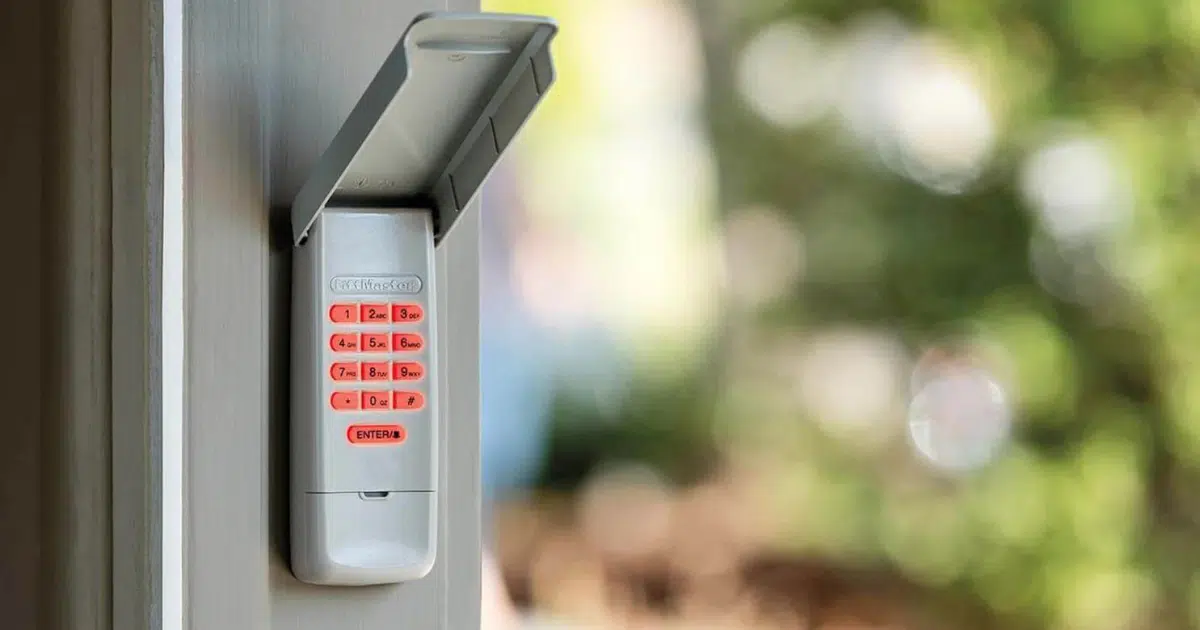
- Look at the keypad display. Does it light up when you press buttons? If there is no light at all, it is almost certainly a battery or power issue.
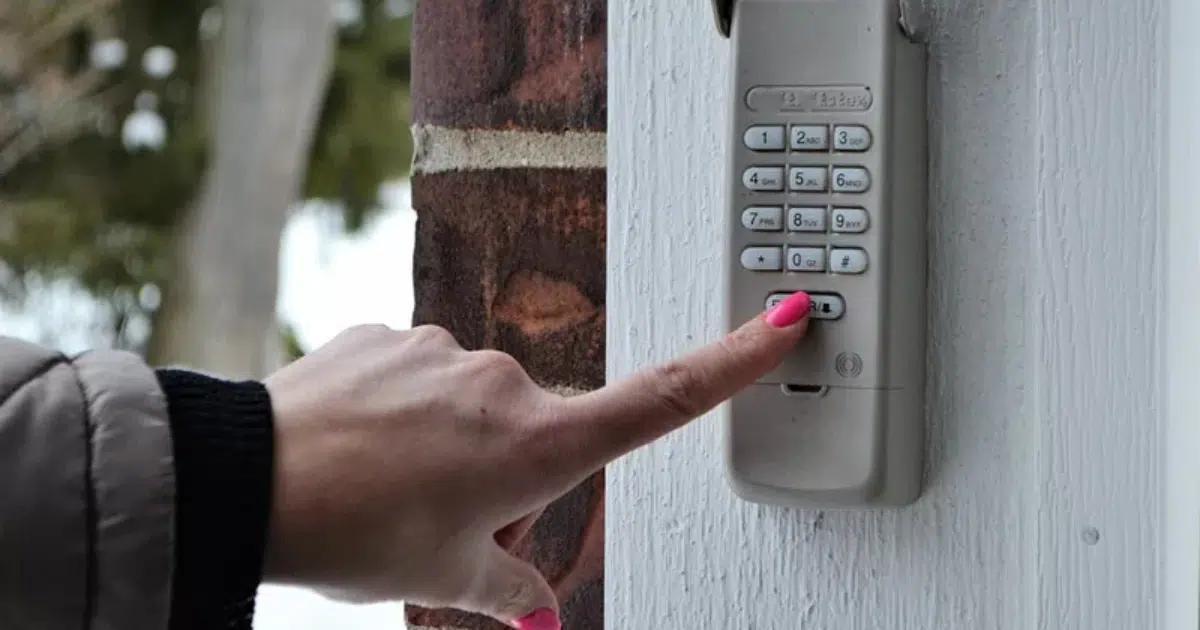
- Check for physical damage. Look closely at the keypad face. Are any buttons cracked, stuck, or unresponsive to the touch? Run your finger across all buttons to feel for anything unusual.
- Move closer to the garage door. Sometimes, the signal range is limited by walls or interference. Stand closer to the door and try again.
- Look at the opener unit inside. Check that the garage door opener is plugged in, powered on, and that no error lights are flashing on the motor head.
- Check if the wall button works. If the wall button inside the garage opens the door just fine, the issue is isolated to the keypad itself, not the opener.
How the Weather in Oklahoma City Affects Your LiftMaster Keypad
This is something a lot of homeowners overlook. Oklahoma City sees everything — intense summer heat, freezing winters, severe thunderstorms, and rapid temperature swings. All of that takes a toll on outdoor hardware, including your keypad.
Here is what to watch for based on the season:
- Summer heat: Extreme heat can cause the keypad housing to expand slightly, which may affect button contact points internally. Direct sun exposure also degrades plastic over time.
- Winter cold: Cold temperatures reduce battery performance significantly. A battery that tests fine at room temperature may fail completely when it is 20 degrees outside.
- Rain and storms: Water intrusion is a real risk. If your keypad is not properly sealed or is mounted in a spot that catches rain runoff, moisture can get inside and corrode the circuit board.
- Humidity: High humidity, common in Oklahoma summers, can cause condensation inside the keypad, leading to intermittent or total failure.
Pro Tip: If you notice your keypad only acts up during certain seasons or weather conditions, that is a strong clue that environmental exposure is involved. A garage door technician can inspect the mounting position and suggest weatherproofing solutions.
Signs Your LiftMaster Keypad Needs Reprogramming
Sometimes the keypad itself is perfectly fine — it just needs to relearn its connection to your opener. Here are the signs that reprogramming might be the answer:
- The keypad lights up and buttons respond, but the door does not move
- You recently had a power outage or surge
- You changed your PIN, but the door stopped responding afterward
- A new garage door opener was installed without re-syncing the keypad
- The keypad was working, then suddenly stopped for no obvious reason
If any of these sound familiar, reprogramming is likely the path forward. For a full walkthrough on this specific issue, check out How to Reset and Reprogram a LiftMaster Keypad That Is Not Responding.
When Batteries Are the Real Problem
It sounds too simple, but battery failure is behind a huge percentage of keypad complaints. LiftMaster keypads typically use a 9-volt battery, and they can drain faster than you expect, especially in extreme temperatures like those in Oklahoma City.
Watch for these battery-related warning signs:
- The keypad display is dim or flickering
- Buttons work sometimes, but not others
- The door opens slowly or only partially before stopping
- The keypad works when you press very hard on the buttons, but fails with a light touch
Most manufacturers recommend replacing keypad batteries once a year as preventive maintenance. If you can not remember the last time you changed yours, that is your sign.
What It Means When Only Certain Buttons Stop Working
If your keypad lights up and most buttons work, but specific ones do not respond, you are likely dealing with a physical button failure rather than a programming or signal issue.
This is more common than people think, and here is what usually causes it:
- Worn button contacts: Over the years of use, the rubber or membrane beneath the button wears out and loses conductivity.
- Debris or dirt buildup: Dust, dirt, and grime can get underneath buttons and prevent proper contact.
- Moisture intrusion: Even small amounts of water getting in can cause certain buttons to fail while others remain functional.
- Physical impact: If the keypad was bumped, hit, or impacted, internal components may have shifted or cracked.
This type of issue is a strong indicator that the keypad unit itself needs attention. To understand the full scope of what causes buttons to stop working, read Common Causes and Solutions for LiftMaster Keypad Buttons Not Working.
Tips to Prevent LiftMaster Keypad Problems
Prevention is always better than dealing with a broken keypad. Here are practical habits that will keep your keypad running longer:
- Replace batteries annually — Do not wait for failure. Set a reminder every year, ideally before winter sets in.
- Keep the keypad clean — Wipe it down with a dry or slightly damp cloth periodically. Avoid harsh chemicals that can degrade the plastic.
- Check the mounting position — Make sure the keypad is not sitting in a spot where it catches direct rainfall or standing water.
- Avoid covering it with objects — Garbage cans, tools, or other items placed near the keypad can accidentally press buttons and drain batteries faster.
- Inspect the weatherstripping on the housing — If your keypad model has a protective cover, make sure the gasket around it is intact and sealing properly.
- Test it monthly — A quick monthly test keeps you aware of any early warning signs before they become bigger problems.
Preventive maintenance and safe usage practices are also emphasized to reduce long-term wear and unexpected failures.
When to Stop Troubleshooting and Call a Professional
There is a point where DIY checking ends and professional diagnosis begins. Here is when you should stop troubleshooting on your own:
- You have replaced the batteries, tested the code, and checked for damage, and nothing works
- The opener itself is showing error codes or blinking lights that indicate a receiver issue
- There is visible corrosion, burn marks, or melted plastic on the keypad or surrounding area
- The keypad worked briefly after troubleshooting, but failed again shortly after
- You are uncomfortable working with garage door components
Garage door systems involve more than just convenience; they are part of your home’s security. A malfunctioning keypad that is ignored can eventually become a safety or access issue. Average diagnostic and repair costs for keypad-related issues can vary, but most homeowners in Oklahoma City can expect to pay an average cost that is reasonable for a service call and parts, depending on what is needed.
Safety standards and risk awareness for garage door systems are outlined by organizations such as UL Solutions, which focus on reducing hazards related to malfunctioning components.
Getting Your LiftMaster Keypad Back on Track
A LiftMaster keypad that stops working is almost always fixable. The key is knowing where to start, and now you do. Begin with the basics: batteries, code, and physical condition. Then work through the environmental and signal-related factors. And if the issue points to reprogramming, button failure, or battery replacement specifically, the cluster articles in this series go deeper on each of those topics.
If you have worked through everything here and your keypad is still not cooperating, it may be time to bring in a professional. For homeowners in Oklahoma City and the surrounding areas, CCM Overhead Doors can diagnose keypad issues, handle repairs, and make sure your system is running safely and reliably. Contact us or give us a call today and get your garage access back to where it should be.