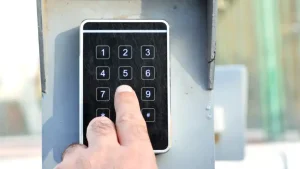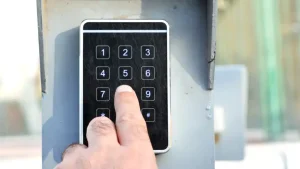
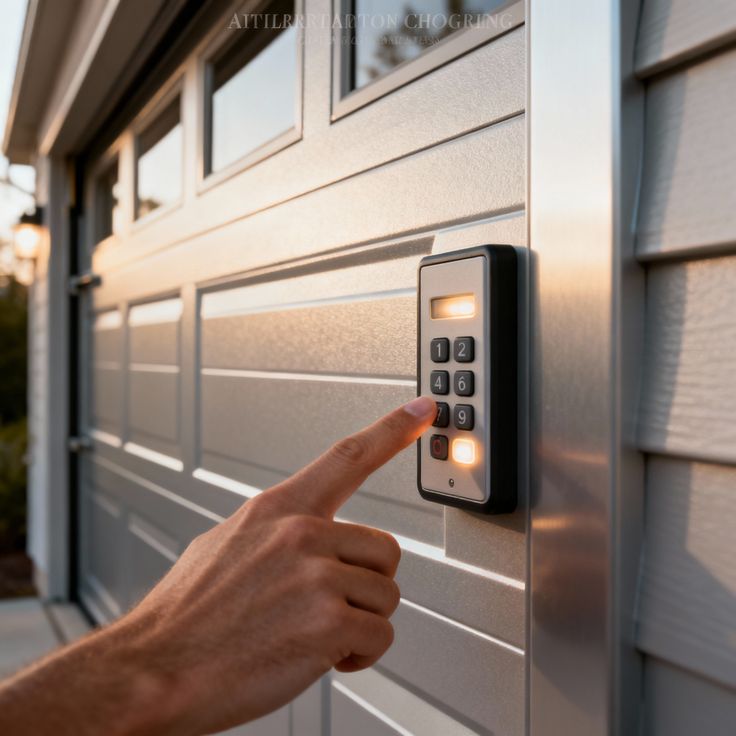
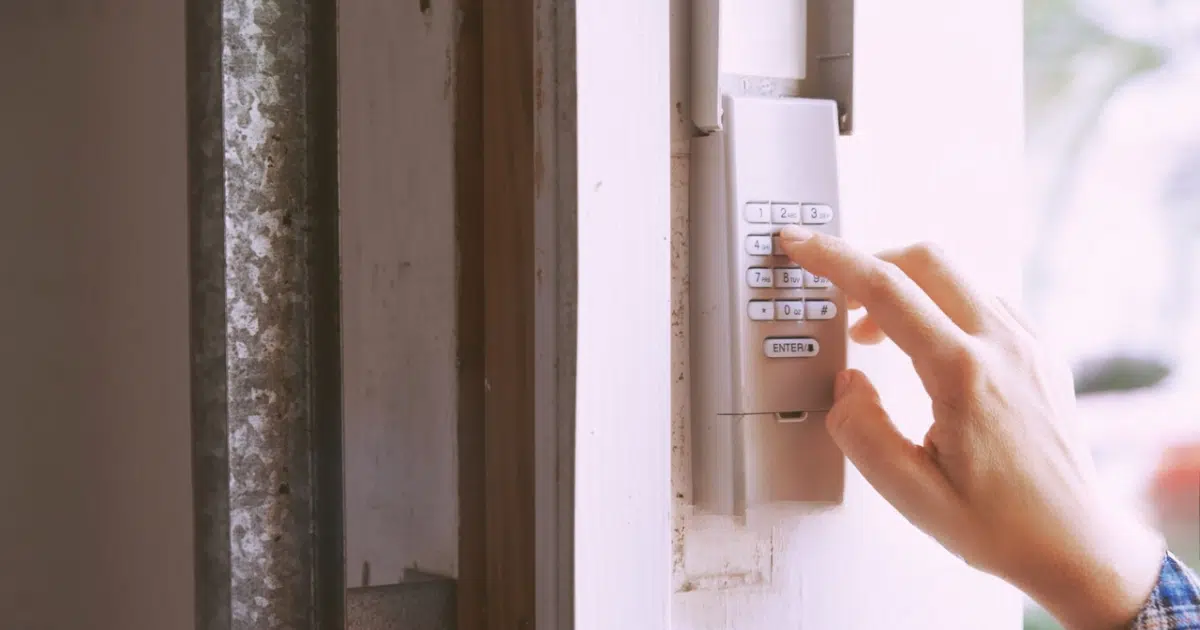
There is nothing more inconvenient than walking up to your garage, entering your code, and getting no response whatsoever. The keypad lights up, the buttons press just fine, but the door refuses to move. Before you assume something is seriously wrong, there is a good chance the issue is a lost or corrupted connection between your keypad and your residential garage door opener, and that is something that can often be resolved through a proper reset and reprogramming.
This guide is written from a garage door industry perspective and is designed to help Oklahoma City homeowners understand what a keypad reset actually involves, when it is necessary, and what the process generally looks like, so you know exactly what is happening and when it is time to bring in a professional.
What Does It Mean to Reset a LiftMaster Keypad
A lot of homeowners use the words “reset” and “reprogram” interchangeably, but they actually mean two different things, and understanding the difference matters.
- Resetting a keypad means clearing its existing memory. This erases the stored PIN and any connection it had to the opener. Think of it as wiping the slate clean.
- Reprogramming means re-establishing the connection between the keypad and the opener and setting a new PIN so the two devices can communicate again.
In most cases, you need to do both: reset first, then reprogram. One without the other will not get your door moving again.
For a broader look at what to check when your LiftMaster keypad first stops working, read LiftMaster Keypad Not Working? What to Check First.
Common Reasons a LiftMaster Keypad Loses Its Programming
Understanding why this happens in the first place can help you prevent it from becoming a recurring issue and avoid unnecessary garage door repair. Here are the most frequent causes:
- Power outages or surges — A sudden loss of power or an electrical spike can wipe the memory of both the keypad and the opener, breaking their connection.
- Accidental reprogramming — Someone in the household may have unknowingly triggered a reset by holding down certain button combinations.
- Old or weak batteries — When battery voltage drops too low, the keypad may lose its stored programming. This is more common in Oklahoma City during the winter months when cold temperatures drain batteries faster.
- New opener installation — If a new garage door opener was installed without re-syncing the existing keypad, the two devices will not recognize each other.
- Rolling code technology updates — LiftMaster uses rolling code security, which changes the signal code after every use. In rare cases, the keypad and opener can fall out of sync.
- Extended period of non-use — A keypad that has not been used for a long time, especially one exposed to harsh weather, may lose its programming over time.
Signs That Your Keypad Needs to Be Reprogrammed Rather Than Replaced
Not every unresponsive keypad needs to be thrown out. Here is how to tell if reprogramming is the right move:
- The keypad display lights up, and the buttons respond to touch
- The keypad was working previously and stopped after a power event
- The door opens fine with the wall button or remote, but not the keypad
- You recently changed your PIN, and the door stopped working afterward
- A new opener was installed, but the keypad was not re-synced
If the keypad shows none of these signs, if it is completely dark, physically damaged, or has buttons that do not register at all, the issue may go beyond programming. In that case, a professional inspection is the right next step.
The Role of the Learn Button in Keypad Programming
If you have ever looked at a LiftMaster opener and wondered what that small colored button on the back or side of the motor unit is, that is the Learn button, and it is central to the entire reprogramming process.
Here is what you need to know about it:
- It initiates pairing mode — Pressing the Learn button puts the opener into a temporary listening mode, allowing new devices like keypads and remotes to sync with it.
- The color matters — LiftMaster Learn buttons come in different colors: yellow, purple, red, and orange. The color indicates which frequency and programming method the opener uses. Your keypad needs to be compatible with your opener’s Learn button color.
- It has a time window — After pressing the Learn button, you typically have about 30 seconds to complete the pairing process on the keypad side before the window closes.
- It can also erase all devices — Holding the Learn button down for an extended period will erase all remotes and keypads paired to that opener. This is useful if you want a clean slate, but it needs to be done carefully.
Understanding the Learn button is key to understanding why the reprogramming process works the way it does. Programming and connectivity issues are among the most common reasons a garage door keypad stops responding.
If your keypad is fading, slow, or inconsistent, read LiftMaster Keypad Battery Replacement: Step-by-Step Guide to Restore Entry Access.
What the Reprogramming Process Generally Involves
Without turning this into a full step-by-step technical tutorial, here is what the reprogramming process typically looks like at a high level, so you understand what a technician is doing or what the process involves before attempting it yourself:
- Step 1 — Clear the existing keypad memory by entering the current PIN followed by a specific button sequence that varies by keypad model.
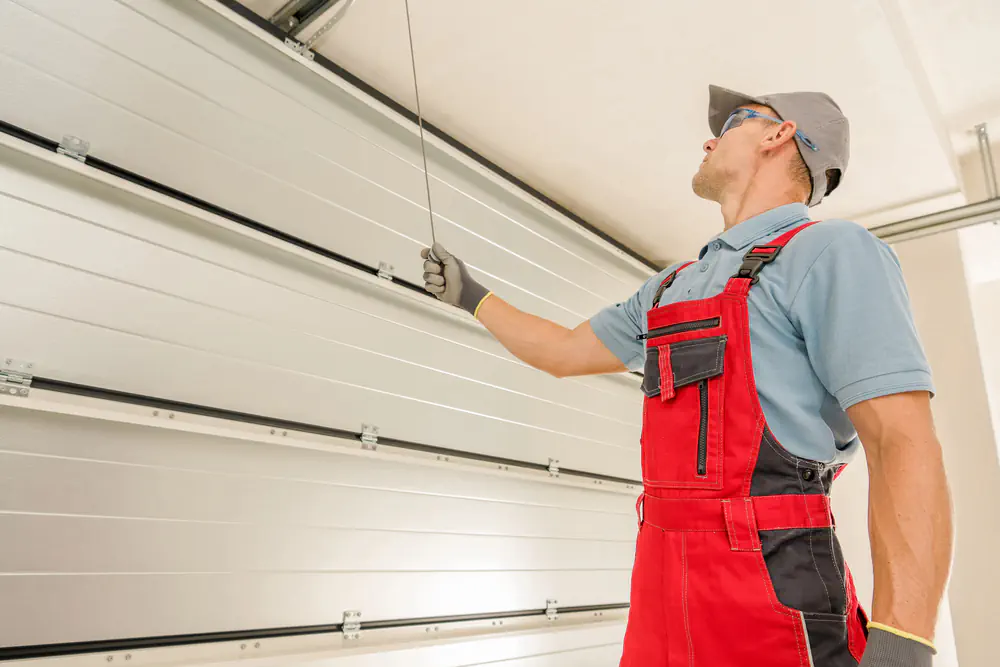
- Step 2 — Access the Learn button on the garage door opener motor unit. This usually requires a ladder and locating the unit mounted on the ceiling of the garage.
- Step 3 — Press the Learn button on the opener to activate pairing mode. The indicator light will turn on.
- Step 4 — Enter a new PIN on the keypad, followed by the Enter or Send button. The opener’s light will typically blink or click to confirm a successful sync.
- Step 5 — Test the new code by entering the PIN and confirming the door responds.
This process sounds straightforward, but it can get complicated depending on the model, the age of the opener, and whether the opener itself has any underlying issues. If you go through these steps and the keypad still does not respond, the problem may be deeper than programming alone.
How Oklahoma City Weather Plays Into Keypad Responsiveness
Oklahoma City is not exactly gentle on outdoor hardware. The combination of hot summers, cold winters, and storm season creates conditions that can directly impact whether a keypad holds its programming reliably.
Here is what local homeowners should be aware of:
- Heat expansion: Extreme summer heat causes plastic components to expand slightly. Over time, this can affect the internal contacts that hold programming data.
- Cold-related battery drain: As mentioned earlier, cold temperatures significantly reduce battery efficiency. A keypad that loses power mid-cycle may fail to retain its synced programming.
- Storm-related power surges: Oklahoma City sees its share of severe weather. Lightning strikes and power surges during storms are a leading cause of opener and keypad programming loss in the area.
- Humidity and condensation: Moisture that gets inside the keypad housing can affect internal components, including the memory chip that holds programming data.
Pro Tip: Consider installing a surge protector on your garage door opener circuit. It is a small investment that can protect your opener, keypad programming, and other connected devices from storm-related electrical damage, something Oklahoma City homeowners deal with regularly.
When Reprogramming Does Not Solve the Problem
If you have gone through the reprogramming process and the keypad is still not working, here are the possible explanations:
- The opener’s receiver is damaged — If the receiver board inside the opener is faulty, it will not recognize signals from any keypad or remote, regardless of programming.
- Frequency interference — Nearby electronics, certain LED bulbs, or radio frequency sources can block the signal between the keypad and opener even after a successful reprogram.
- The keypad model is incompatible — Not all LiftMaster keypads work with all LiftMaster openers. Older keypads may not be compatible with newer opener systems.
- Internal keypad damage — If the keypad has suffered moisture intrusion or physical damage, it may appear to function on the surface but fail to transmit properly.
- The opener itself needs service — Sometimes the keypad is fine, but the opener has a deeper mechanical or electrical issue that is preventing it from responding to any input.
In any of these scenarios, professional diagnosis is the most efficient path forward.
Tips to Keep Your Keypad Programming Stable Long-Term
Once your keypad is successfully reprogrammed, here is how to protect that connection going forward:
- Install a surge protector on your garage door opener outlet to guard against power spikes during storms
- Replace batteries proactively every year before winter to prevent low-voltage programming loss
- Keep the keypad housing sealed and inspect it seasonally for cracks or gaps that allow moisture in
- Avoid unnecessary resets because they only reset the keypad when there is a genuine reason to do so, not as a first troubleshooting step
- Document your PIN in a secure location so you are not guessing and accidentally triggering lockout modes
- Test your keypad monthly to catch any sync issues early, before they become a full failure
Routine inspection and preventive maintenance are also emphasized by the International Door Association, which recommends regular checks to catch problems before they become bigger system issues.
Understanding the Bigger Picture of Your LiftMaster System
Your keypad does ner motor, the receiver board, the safety sensors, or the door hardware itself. When troubleshooting a keypad issue, it helps to think about the whole system, not just to operate in isolation. It is one part of a connected system that includes the openhe keypad in front of you.
If your keypad issues are part of a broader pattern of problems, doors that reverse unexpectedly, openers that respond slowly, or remotes that also stop working, that is a signal that something larger may be going on.
When to Call a Garage Door Professional
Here is a clear list of situations where calling a professional is the right move:
- You have followed the reprogramming process multiple times with no success
- The Learn button on your opener is not responding, or its indicator light does not activate
- Your opener is showing error codes alongside the keypad issue
- You suspect a power surge may have damaged internal components
- The keypad is older and may not be compatible with your current opener model
- You are not comfortable working with the opener unit on a ladder
A qualified garage door technician can run a full diagnostic on both the keypad and the opener, identify whether the issue is with the device, the receiver, or the system as a whole, and recommend the most cost-effective path forward. Average service and diagnostic costs in Oklahoma City are reasonable for what you get: professional eyes on a system that protects your home and family.
If the issue turns out to be specifically related to the physical buttons on your keypad rather than programming, that is a different problem with its own set of causes and solutions, covered in detail in Common Causes and Solutions for LiftMaster Keypad Buttons Not Working.
How to Restore Your LiftMaster Keypad and Keep It Working
A LiftMaster keypad that has lost its programming is not a lost cause. In many cases, a proper reset and reprogram is all it takes to get things working again. The key is understanding what caused the loss in the first place, following the right process for your specific model, and knowing when the issue has gone beyond what a homeowner can handle alone.
For Oklahoma City homeowners dealing with a keypad that keeps losing its programming or simply will not sync, no matter what, CCM Overhead Doors is the team to call. They have the expertise to diagnose the root cause, whether it is the keypad, the opener, or something else entirely, and get your garage running reliably again. Contact us or give us a call today and stop guessing.