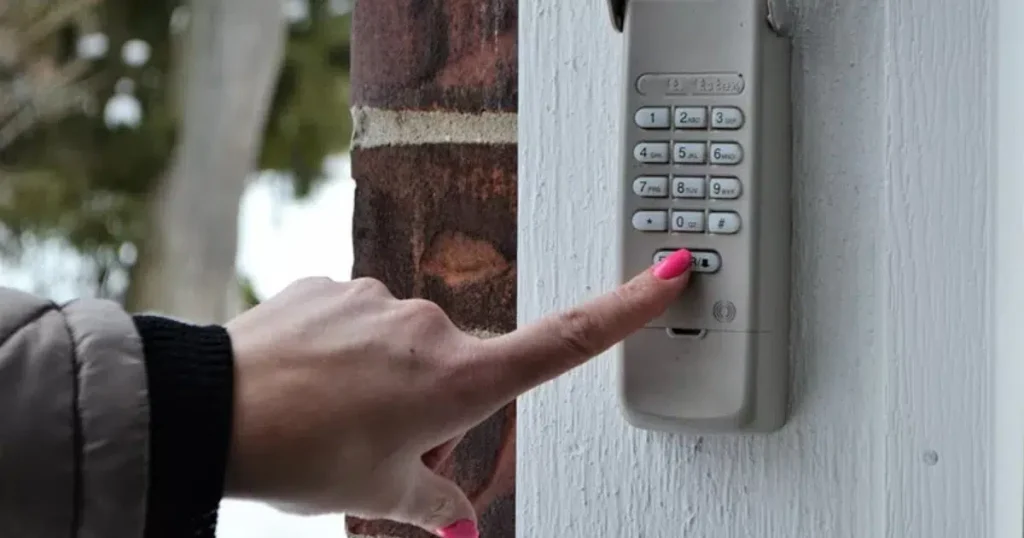
You walk up to your garage, reach for the keypad, and enter your code, but one or two buttons just do not respond. Or maybe none of them do. The display lights up, the battery is fresh, and the programming is intact, but something about the physical buttons on your residential garage door opener keypad is not working as it should.
This is a different problem from a dead battery or lost programming. When the issue is specifically with the buttons, the physical keys you press every single day, it points to something happening inside the keypad hardware itself. And for Oklahoma City homeowners who deal with everything from scorching summers to ice storms, physical keypad wear is more common than most people expect.
This guide breaks down exactly why LiftMaster keypad buttons stop working, how to identify which cause applies to your situation, and what your options are when the buttons are the problem.
Why Keypad Button Problems Are Different From Other Keypad Issues
Before diving into causes, it helps to understand why button failure is its own category of problem. Most keypad troubleshooting guides focus on batteries, programming, and signal issues, and those are legitimate and common sources of garage door repair calls. But button failure is different because it is physical, not electronic, often pointing to wear inside the keypad that may require targeted garage door repair or component replacement.
When a button stops working, it usually means one of three things:
- The physical mechanism that registers a button press has worn out or been damaged
- Something is blocking the button from making proper contact internally
- The layer of material between your finger and the internal circuit has degraded
None of these are solved by replacing a battery or reprogramming the keypad. They require a different approach, and in many cases, a professional assessment.
If you want a simple guide to restore keypad access quickly, read LiftMaster Keypad Battery Replacement: Step-by-Step Guide to Restore Entry Access.
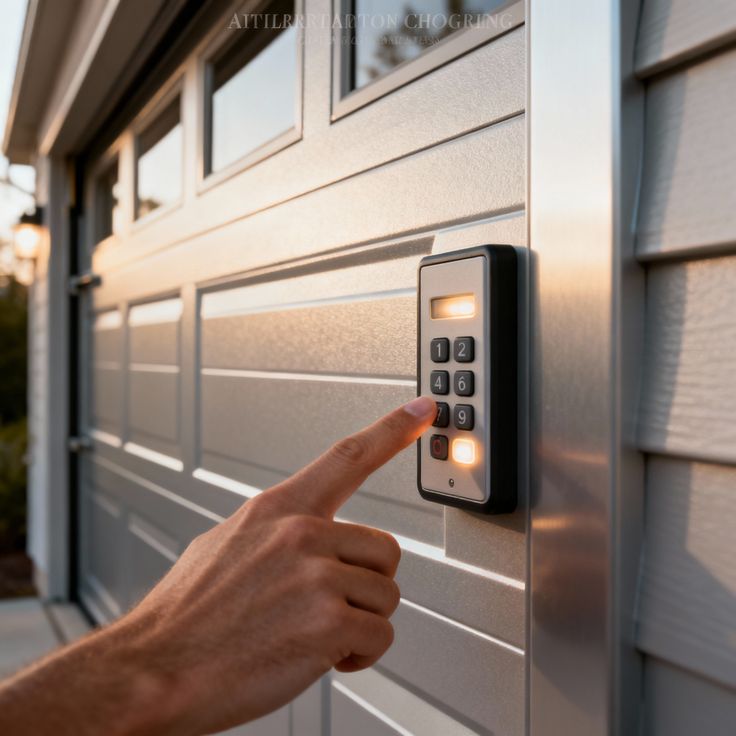
How LiftMaster Keypad Buttons Actually Work
Understanding the basic mechanics helps explain why buttons fail. Most LiftMaster outdoor keypads use one of two button construction types:
- Membrane keypads — These use a thin, flexible layer with conductive ink printed on the underside of each button. When you press a button, the membrane flexes and makes contact with a circuit board below, registering the input. These are lightweight and weather-resistant but degrade over time with repeated use.
- Mechanical dome keypads — These use small rubber or silicone domes beneath each button. Pressing the button collapses the dome, which completes a circuit. These tend to have a more tactile feel and can last longer under heavy use.
Both types are susceptible to wear, moisture, and debris, just in slightly different ways. Knowing which type your keypad uses helps narrow down what kind of failure you are dealing with.
The Most Common Causes of LiftMaster Keypad Button Failure
Here is a detailed breakdown of what actually causes buttons to stop working, and what each type of failure looks and feels like:
Worn Button Contacts From Daily Use
Every button press puts a small amount of mechanical stress on the contact point beneath it. Over thousands of presses across years of daily use, that contact point gradually loses its ability to conduct electricity reliably.
Signs of this type of wear:
- Specific buttons fail while others work fine, usually the most frequently used ones, like the digits in your PIN
- Buttons feel mushy or lack the subtle click or resistance they once had
- Pressing harder than normal sometimes gets a response, but a normal press does not
This is one of the most common forms of button failure in keypads that are several years old. It is a natural wear pattern, not a defect. Repeated mechanical use naturally leads to wear in frequently used components, a pattern commonly seen in garage door problems and solutions over time.
Debris and Dirt Buildup Beneath the Buttons
Oklahoma City is no stranger to dust, pollen, and airborne debris. Over time, fine particles work their way into the gaps around keypad buttons and accumulate beneath the surface. That buildup creates a physical barrier between the button and the contact point below it.
Signs of debris-related button failure:
- Buttons feel stiff, gritty, or harder to press than they used to
- Multiple buttons in a concentrated area stop working around the same time
- The keypad is located near a dusty driveway, construction site, or landscaped area with heavy pollen
- Visible residue or discoloration around the button edges
In some cases, careful cleaning can address surface-level debris. However, debris that has worked its way deep inside the keypad housing typically requires professional disassembly to clear properly.
Moisture Intrusion and Internal Corrosion
Water is one of the most destructive forces for any outdoor electronic device. Oklahoma City’s spring storm season, combined with high summer humidity, creates plenty of opportunities for moisture to find its way inside a keypad housing.
When moisture gets in, here is what happens:
- Water contacts the conductive traces on the circuit board or membrane layer
- Corrosion begins to form on metal contact points
- Short circuits can occur, causing erratic behavior or the complete failure of certain buttons
- Over time, corrosion spreads and affects more buttons or disables the keypad entirely
Signs of moisture-related button failure:
- Buttons that worked fine before a rain event suddenly stop responding
- Visible water stains, fogging, or condensation inside the display window
- Corrosion or white residue visible around button edges
- Intermittent button behavior that worsens during humid weather
Moisture damage is serious because it tends to be progressive. What starts as one unresponsive button can spread to multiple buttons or cause total keypad failure if not addressed.
Physical Impact or Accidental Damage
Garages are busy places. A keypad mounted at driveway level is vulnerable to all kinds of accidental contact, a bicycle handlebar, a ladder, a misplaced ladder, a delivery package, or even a car door swinging open too wide.
Physical impact can cause:
- Cracked or shattered button surfaces that no longer press evenly
- Shifted internal components that are no longer aligned with button positions
- Broken dome or membrane layers that cannot complete a circuit, even when pressed correctly
- Cracked housing that exposes internal components to the elements
Signs of impact-related button failure:
- Visible cracks or deformation on the keypad face
- Buttons that press down but feel uneven or off-center
- Failure that began immediately after a specific incident
- The keypad housing is loose or no longer sits flush against the wall
Impact damage usually requires full keypad replacement rather than repair.
Sun Damage and UV Degradation
Oklahoma City averages over 230 sunny days per year. That is a lot of UV exposure for a plastic device mounted on an exterior wall. Over time, prolonged sun exposure causes the plastic components of a keypad, including the button surfaces and membrane layer, to degrade.
What UV degradation looks like:
- Button surfaces become brittle and crack under normal pressure
- The membrane layer loses flexibility and can no longer flex properly to register a press
- The plastic housing becomes discolored, faded, or chalky
- Buttons that once had a crisp tactile response feel stiff and unresponsive
UV degradation is a slow process, but it is cumulative and irreversible. A keypad showing signs of significant sun damage is nearing the end of its useful life, regardless of how the buttons feel.
Manufacturing Defects or Early Component Failure
While less common, some keypads develop button issues earlier than expected due to manufacturing inconsistencies or component quality variations. This is more likely to occur in:
- Keypads that are at the lower end of the product line
- Units that were stored improperly before installation
- Keypads installed in extreme conditions immediately after purchase
If button failures are occurring on a relatively new keypad with no obvious external cause, a warranty claim or manufacturer support inquiry is worth pursuing before investing in a replacement.
How to Tell Which Buttons Are Failing and Why
Not all button failures look the same. Here is a quick diagnostic framework to help identify what you are dealing with:
- Only the most-used buttons fail → Likely wear from repeated use
- Multiple adjacent buttons fail at once → Likely debris buildup or moisture intrusion in a concentrated area
- All buttons fail after a weather event → Likely moisture intrusion or corrosion
- Buttons feel physically damaged or uneven → Likely impact damage or UV degradation
- Failure started suddenly on a newer keypad → Possible manufacturing defect
This framework is not a definitive diagnosis, but it helps point you in the right direction before calling a professional.
What You Can Check on Your Own
There are a few things homeowners can safely inspect without disassembling the keypad:
- Visual inspection — Look closely at the button surfaces for cracks, deformation, or visible residue around the edges.
- Surface cleaning — Gently wipe the button surfaces with a dry microfiber cloth. For surface-level grime, a slightly damp cloth with mild soap can be used carefully, avoiding getting moisture inside any gaps.
- Check the mounting position — Is the keypad directly in the path of rain runoff from the roof or gutters? Is it in direct sunlight for most of the day? These environmental factors contribute directly to button failure.
- Test every button — Press each button individually and note which ones respond and which do not. A clear pattern of failure often reveals the cause.
- Check the housing seal — Look for cracks in the keypad housing or gaps around the edges where moisture could enter.
What you should not do is attempt to disassemble the keypad yourself to clean internal components or replace the membrane layer. Modern LiftMaster keypads are not designed for user-level disassembly, and attempting it without the right tools and knowledge can cause additional damage.
When Button Problems Point to a Bigger System Issue
In some cases, what looks like a button problem is actually a symptom of something happening at the system level. Here is when to widen your diagnostic view:
- If buttons appear to work, they press and feel normal, but the door does not respond, the issue may be signal transmission or programming rather than the buttons themselves
- If the keypad display is also behaving erratically alongside the button failures, internal circuit board damage is possible
- If the opener is also showing error codes or other devices like remotes are also malfunctioning, the problem may be with the opener’s receiver rather than the keypad
For a broader diagnostic starting point that covers all keypad issues, not just button failures, read LiftMaster Keypad Not Working? What to Check First.
And if you have already confirmed the buttons are fine, but the keypad still will not sync with your opener, the issue is more likely programming-related. Read How to Reset and Reprogram a LiftMaster Keypad That Is Not Responding.
Repair Versus Replacement: How to Decide
Once you have identified that button failure is the issue, the next question is whether to repair or replace. Here is a straightforward way to think about it:
Consider repair or professional cleaning if:
- The keypad is relatively new, under 4 years old
- Only one or two buttons are affected
- The failure appears to be debris-related and surface-accessible
- There is no visible housing damage or moisture intrusion
Consider full replacement if:
- The keypad is over 7 years old
- Multiple buttons across different areas of the keypad have failed
- There is visible moisture damage, corrosion, or UV degradation
- The housing is cracked or no longer weatherproof
- The keypad is incompatible with a recently upgraded opener
Replacement keypads from LiftMaster are purpose-built for their opener systems and come with updated weather resistance features. The average cost of a new keypad and professional installation in Oklahoma City is modest compared to the ongoing frustration and security risk of a keypad that only partially works.
Preventive Habits That Protect Your Keypad Buttons Long-Term
The best time to protect your keypad buttons is before they start failing. These habits make a measurable difference:
- Install a keypad with a protective cover if yours does not already have one. The flip cover shields buttons from direct sun, rain, and debris between uses
- Clean the keypad surface seasonally with a dry cloth to remove dust and pollen buildup before it works its way inside
- Check the mounting position and consider relocating if the keypad is in a spot that receives direct rainfall or prolonged afternoon sun
- Inspect the housing seal annually and address any cracks immediately to prevent moisture from reaching internal components
- Avoid pressing buttons with sharp objects like keys or tools; use fingertip pressure only
- Apply a UV-protective plastic treatment to the keypad housing once a year to slow UV degradation; the same type used on car trim works well
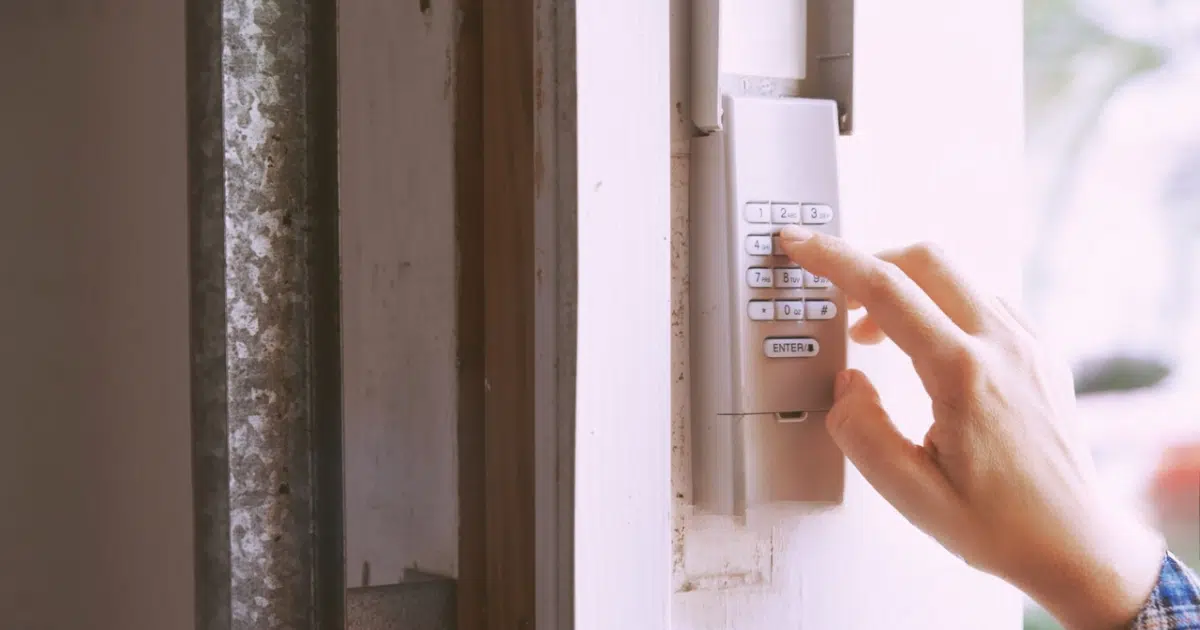
Your Keypad Does More Than Open a Door — Protect It as It Matters
Your LiftMaster keypad is the frontline of your home’s garage access security. When the buttons stop working, it is not just an inconvenience; it is a gap in the system that protects your home, your vehicle, and your family. Physical button failure is one of the more straightforward problems to diagnose, but it is also one that homeowners in Oklahoma City sometimes delay addressing because the door can still be opened in other ways.
If you have worked through this guide and your LiftMaster keypad buttons are still not cooperating, or if the damage is beyond what a simple inspection can address, CCM Overhead Doors is Oklahoma City’s trusted resource for garage door diagnostics and keypad services. Their team can assess whether your keypad needs cleaning, repair, or full replacement and make sure your garage access is as secure and reliable as it should be. Contact us or give us a call today and stop putting up with a keypad that is only doing half its job.