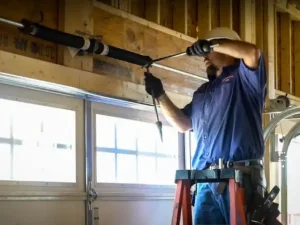

When your garage door will not open, the issue is often caused by broken garage door springs. These components may be small, but they handle the heavy lifting required to raise and lower the door smoothly. When a spring fails, the opener is suddenly forced to carry the full weight of the door, which it is not designed to do. This can leave your vehicle trapped inside the garage and expose your home to security concerns if the door cannot close properly.
Beyond the inconvenience, a damaged spring can place added strain on other parts of the system, leading to more costly repairs over time. Warning signs such as loud snapping noises, uneven movement, or a door that feels unusually heavy should never be ignored. Addressing spring issues early helps prevent further damage, reduces safety risks, and ensures your garage door operates reliably when you need it most.
Understanding Garage Door Springs and Their Role
Garage door springs help balance the garage door’s weight. As a result, you can open and close the door with minimal effort, and the opener does not have to work hard. The springs do the heavy lifting by storing and releasing significant spring tension. This prevents other garage door components from experiencing excessive strain.
If a spring breaks, the door loses its balance. The door will feel very heavy, and you will not be able to use it until a professional completes the repairs. There are two main types of garage door springs. Knowing the differences between these types helps you find the right one for your door. Fixing them can be tricky and requires specialized tools to ensure safety.
Understand what happens when a garage door spring breaks and why your door may suddenly stop working the way it should by reading: When a Garage Door Spring Breaks and Why the Door Suddenly Stops Working Properly.
Torsion Springs vs. Extension Springs: Key Differences
The two primary types of springs on residential garage doors are torsion and extension springs, each with a unique mechanism for managing spring tension. Torsion springs are mounted on a metal shaft directly above the garage door opening and work by twisting to create the torque needed to lift the door. In contrast, extension springs are located on either side of the door, parallel to the tracks, and operate by stretching and contracting to provide the necessary counterbalance.
While both spring types serve the same fundamental purpose, their designs affect durability, safety, and the complexity of replacement. Torsion springs generally offer a longer lifespan and more controlled movement, but they also carry a higher upfront cost than their extension counterparts. Extension springs are a more traditional and economical option, but they may require replacement sooner and present different safety considerations if not equipped with safety cables.
See how a broken garage door spring can disrupt multiple components and strain your entire system by reading: How a Broken Garage Door Spring Can Wreak Havoc on Your Entire System.
How Garage Door Springs Support Your Door’s Movement
Garage door springs are designed to balance the garage door’s weight. The door can be very heavy; sometimes it weighs a few hundred pounds. But the door springs do most of the hard work. This makes the door feel light so you can lift it by hand. The spring tension inside the coils is what makes the door go up and down smoothly. As a result, your garage door opener does not need to apply much force; the motor simply guides the door rather than carrying all the weight.
If a door spring breaks, the support is gone from your garage door system. The entire weight of the door is transferred to other garage door components. If a spring breaks on one side of the door, you will see uneven movement. One side can drop down or lag behind, making the door look crooked.
This issue prevents the garage door from opening and closing correctly. It also places additional stress on the tracks, cables, and opener motor. If you continue to use it, the opener motor can be damaged quickly. If the door feels very heavy when you lift it by hand, it indicates the door springs are no longer supporting the weight.
Get a clear picture of how spring failure turns everyday garage door use into a major inconvenience by reading: From Smooth Lift to Dead Weight: How Spring Failure Affects Daily Use.
Signs Your Garage Door Spring May Be Broken
One of the most common signs of a broken spring is a loud bang coming from your garage. This noise happens when the spring snaps under high tension. After the sound, you may find that your garage door will not open, often requiring immediate garage door opener repair due to the added strain placed on the system. If the door is open when the spring breaks, it may slam shut and become impossible to lift again.
These signs of damage are serious and commonly affect residential garage doors. When they appear, prompt garage door repairs are necessary to restore safe operation and prevent further strain on the opener and related components. Paying attention to new noises, uneven movement, or delayed response can help identify problems early and allow repairs to be completed before the situation worsens.
Common Sounds and Visual Indicators to Watch For
The most obvious sign of a full spring failure is a loud bang. It can sound like a firecracker went off. This occurs when the coils snap due to excessive tension. If you hear this, it means the spring has broken. The spring can’t hold up the garage door anymore. At this point, you need to call a garage door company in Oklahoma City for help. Do not try to use the garage door opener after the loud bang. That will put extra strain on the motor.
After you hear the noise, you can also look for other signs. A quick check can help you determine whether the spring is broken or an old spring that might fail soon. There are some easy signs to look for once you know what to check.
- A gap you can see in a torsion spring. This will appear as a two-inch or wider gap in the metal coils.
- Signs of stretching or changes in shape in extension springs. These springs may appear longer than usual or hang loose at the side of the door.
- A door that looks crooked or uneven. This usually means a spring on one side has failed, and that side is no longer being supported.
Learn more about the importance of proper garage door maintenance and paying heed to the first signs of garage door failure by visiting StaySafe.org.
Why a Garage Door Might Not Open or Close Properly
When a spring fails on your garage door, it may not open or close. The garage door opener does not have sufficient power to lift the entire door weight on its own. The opener motor is designed to operate with springs, as the springs carry most of the weight. If the springs break, the garage door motor has to do all the work. The motor may then make grinding noises and will stop working. This safety measure prevents the motor from completely burning out when the door is too heavy.
If you suspect a broken spring, use the emergency release cord to disconnect the garage door opener. Try to lift the door with your hands. If the garage door is very heavy or you cannot lift it at all, it indicates a broken spring. You will need garage door repairs performed by a trained technician.
Do not keep pressing the button on your garage door opener. This will only worsen the strain on the opener motor and can damage additional components of the garage door system. Keep the door closed and contact a garage door expert for safe repair.
Find detailed standards and technical resources for garage doors and their essential parts through the Door & Access Systems Manufacturers’ Association.
Why a Broken Spring Is a Major Concern for Homeowners
A broken spring on your garage door is not a minor issue. It poses significant safety risks because the garage door parts are subjected to considerable pressure from the heavy door. When a spring breaks, that strong force can burst out fast. Parts can shoot out like projectiles. The door can even drop or slam shut without any warning.
If you try to fix a broken spring by yourself without the proper skills or tools, you can get a serious injury or cause harm to others. That is why you should always call a garage door service specialist for this kind of job. When you understand the risks, you will see why it is important to handle broken springs and garage door components carefully.
Safety Risks Associated with Damaged or Faulty Springs
The biggest concern with a broken or old spring is the high internal pressure. This creates significant safety risks for anyone near the garage door. The extreme tension in these garage door springs can lift a heavy door. If this energy is released improperly, it could cause serious injury or damage to garage items. Because of this, garage door spring repairs are not jobs the average homeowner should attempt on their own.
There is also a high risk that the garage door can drop quickly if a spring is broken, as it is no longer balanced. It can slam down with significant force. It could damage a car or, worse, injure someone beneath it.
These are some of the main safety risks you need to know about:
- The spring could break while you are trying to fix it. If that happens, metal pieces can fly out quickly, and someone could sustain serious injury.
- A heavy garage door may fall without warning, especially if other parts or the remaining spring break under the extra weight.
- If springs are not installed correctly, the door may not be balanced. This can wear out other garage door components more quickly and create new safety risks over time.
How a Broken Spring Can Affect Your Garage Door System
When one spring breaks, the entire garage door system can be damaged. It is not just about the door not opening or closing. Immediately, the door’s weight increases pressure on the opener motor. The opener motor will then have to work harder, and it can burn out quickly if you keep using your automatic garage door opener. This extra stress can turn a simple spring replacement into a larger, more costly repair that could also damage your opener motor.
Also, when only one spring is working, the door moves unevenly. This can damage other garage door components, such as the tracks and cables. The door could come off its track, bending the metal rails and potentially breaking the lifting cables, which carry significant tension. That is why the garage door cannot operate properly or be safe with only one working spring if the system was built with two springs.
If you do not repair the broken spring, the garage door system may sustain further damage, and the repair cost will increase. It is essential to handle spring replacement promptly with professional assistance. If you act quickly, it will not only get the door working again but also prevent further repairs to your garage door. This will help all the parts last longer before you need to work on your garage door again.
Professional Garage Door Spring Service
A broken garage door spring can be a big problem for any homeowner. The springs play an important role in how the garage door operates. If they break, you could face safety risks, and the door may stop working correctly. You should watch for unusual noises or for the garage door becoming difficult to open or close. This could indicate the spring is not functioning correctly.
CCM Overhead Doors specializes in comprehensive garage door services designed to keep systems operating smoothly and reliably. Experienced technicians understand how daily use impacts garage doors over time and what it takes to maintain proper function. Even the most durable doors experience wear after years of repeated operation. Professional repair services address these issues early to restore performance and extend door lifespan.
Contact us today or give us a call for dependable garage door repair and service.
Frequently Asked Questions
expert repairing a garage door
What exactly happens when a garage door spring breaks?
When a garage door spring breaks, it suddenly releases the tension that helps lift and lower the door. We see that the door immediately loses its counterbalance and becomes extremely heavy. This often causes the door to stop working or move unpredictably.
Why does a broken spring stop the garage door from opening?
Garage door springs are designed to support most of the door’s weight. Without that support, the opener cannot lift the door properly. We find that the door may only open a few inches or not move at all.
Why is a broken garage door spring considered a big deal?
A broken spring affects both safety and functionality. We recognize that the door can become unstable and dangerous to operate. This issue also prevents normal access to the garage, which many homeowners rely on daily.
Can a broken spring cause damage to the garage door opener?
Yes, continued use of the opener can cause serious damage. We observe that the opener motor and internal components can fail when forced to lift the full weight of the door. This often leads to costly repairs or replacement.
How does a broken spring affect the safety of people and property?
Without a working spring, the door may fall or close suddenly. We see that this can damage vehicles, belongings, or cause injury. The risk is especially high for children, pets, and anyone standing nearby.
Will a garage door still close if the spring is broken?
In some cases, the door may close, but it often does so unevenly or too quickly. We find that this lack of control increases the risk of damage. Proper balance is essential for safe operation.
Can you continue using the garage door after a spring breaks?
Using the garage door is not recommended once a spring has failed. We believe continued operation puts excessive strain on every part of the system. This can turn a single repair into multiple expensive problems.
Why do garage door springs break in the first place?
Springs wear out over time due to repeated use and tension cycles. We see that temperature changes and lack of maintenance can also contribute. Spring failure is often the result of normal wear rather than a sudden defect.
How quickly should a broken garage door spring be repaired?
Repairs should be made as soon as possible. We understand that garage doors are a major access point and security feature. Prompt repair restores safe and reliable operation.
Why is professional repair recommended for broken springs?
Garage door spring replacement involves high tension and specialized tools. We know that trained professionals can complete the repair safely and correctly. Professional service reduces risk and ensures long-term performance.