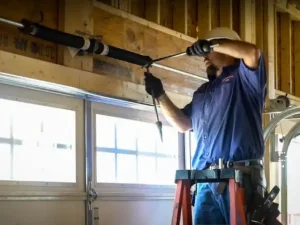

The garage door system relies on properly functioning springs to raise and lower the door safely and smoothly. These components support the full weight of the door during every cycle, making them essential to daily operation. When springs begin to wear or fail, garage door service becomes necessary to prevent sudden breakdowns and safety concerns. A broken spring can cause the door to stop working altogether, leaving your home exposed and your routine disrupted.
Understanding why springs fail and knowing how to respond can help protect your home and the people inside it. Springs often break due to normal wear, rust buildup, or lack of maintenance over time. Addressing these issues quickly reduces the risk of further damage and helps restore reliable performance. In most cases, professional garage door repair is required to ensure the system is properly balanced and operating as intended.
The Importance of Garage Door Springs in Daily Use
Garage door springs are a significant part of your garage door. They perform the hard work of counterbalancing the door’s weight. This helps the garage door open and close without trouble. If your springs are not working, the door becomes very heavy. You would find it hard to lift by hand because it gets stuck and does not move.
Because of this, you must keep your springs in good condition to ensure the safe operation of your entire garage door system. Do not ignore any warning signs from your garage door springs. If so, you may need a complete garage door replacement. Learn more about our garage door services in Oklahoma City to help keep your garage door system working well.
Gain clarity on what actually occurs when a garage door spring breaks and why it quickly becomes a serious issue for homeowners by reading: What Happens When a Garage Door Spring Breaks—and Why It’s a Big Deal?
What Garage Door Springs Do for Homeowners
The garage door springs play a vital role in moving the door’s weight when you open or close it. They do most of the heavy lifting, which makes the garage door feel much lighter. These parts are coiled tightly to resist gravity and support the door’s weight. Because of them, you can move the door without much effort. The springs also help the opener motor work well, so it doesn’t face too much pressure.
If these springs don’t work, your opener motor will have to try to lift the whole weight of the door by itself. The motor is not made for that job. This would be too much for it and could cause it to fail quickly. You might end up facing costly repairs to the automatic opener if you don’t fix the springs in time.
With functional springs on your garage door, it operates smoothly every time. Good springs help your garage door open and close safely and efficiently. They also ensure that all tools and parts in the automated system last longer. If your springs are working well, your garage door delivers reliable performance day in and day out.
See how a single broken garage door spring can place stress on multiple components and disrupt your entire system by reading: How a Broken Garage Door Spring Can Wreak Havoc on Your Entire System.
Common Types of Garage Door Springs in Oklahoma City
In residential and commercial properties, you will typically find one of two main types of spring systems installed on sectional doors to facilitate their movement. The type of spring your system uses depends on your garage door’s size, weight, and age; each has a distinct appearance and location. Understanding which one you have is helpful when describing an issue to a professional technician.
The most common options are torsion springs and extension springs, which use different mechanisms to lift your door. Torsion springs are known for their durability and are often used on heavier doors, while extension springs are typically found on lighter residential doors.
All these types of springs should be fully functional for your garage door to work. Any issues with your garage door spring should be addressed to prevent costly repairs.
Understand how spring failure turns a smoothly operating garage door into heavy, complex equipment that affects everyday use by reading: From Smooth Lift to Dead Weight: How Spring Failure Affects Daily Use.
Signs Your Garage Door Spring Is Failing
Knowing the early warning signs of spring failure in your garage door is very important. It helps you address the problem before it worsens or leads to an accident. A broken garage door spring can show itself in different ways. You might hear odd sounds or see that something is wrong with the part.
Watch for warning signs, such as a visible gap in the coil or an unbalanced door. These signs indicate when it is time to call a professional garage door repair technician. Below, we discuss some common signs of wear to watch for.
Unusual Noises and Changes in Operation
One clear sign that the spring in your garage door has broken is a loud bang from your garage. Many people say it sounds like a firecracker. This noise occurs because the high-tension spring snaps, releasing a lot of energy quickly. It indicates that a critical component of your garage door has failed. Even if your door was not moving, this loud noise means you need assistance immediately.
There are additional warning signs you should look for. If you notice unusual noises when using your garage door, it may indicate a problem with the springs or the garage door opener. These sounds often show that the parts are stressed and could break soon.
Watch for these changes in your garage door:
- Grinding or squeaking sounds when the door moves.
- Jerky or uneven movements during opening or closing.
- The automatic opener struggles to lift the door.
Learn why identifying these signs and garage door safety should be a top priority for homeowners and professionals by visiting StaySafe.org.
Visible Damage and Balance Issues with Your Garage Door
If you do a visual inspection of the springs, you can often spot clear signs of a problem before you hear loud noises. With a torsion spring system, a clear sign that the spring has failed is a visible gap in the middle of the coil. This gap shows the spring has snapped in two. You might also notice that the garage door no longer responds consistently to the keypad and remote, even though the opener appears to be working. You may also see signs of rust on the coils. When metal is rusted or corroded, it becomes significantly weaker and more likely to fail under pressure.
Another key indicator of a spring issue is how the door moves during operation. When the spring can no longer support the door’s weight, the door becomes unbalanced and harder to control using a remote or wall control. You may notice uneven movement, with one side of the door rising faster than the other, causing the door to appear crooked as it opens.
You can check the balance by disconnecting the automatic opener and lifting the door halfway manually. If the door slams shut or is very hard to lift, it indicates the springs are not providing sufficient support for the door’s weight.
- A noticeable gap in the torsion spring coil.
- Visible signs of rust or corrosion on the spring.
- The door appears crooked when opening or closing.
- Difficulty lifting the door manually.
What to Do When a Garage Door Spring Breaks
When you discover that the garage door spring has broken, ensure everyone in the home is safe first. This is dangerous. A garage door with a broken spring is not steady. The entire weight of the door is not currently supported. If you use it, you might cause harm or even be injured.
It is best to stop using the door right away. Contact garage door repair services. These are people who know how to address the problem safely. Here are some steps you can take after you learn about the issue. This will help you understand why you need professional garage door repair.
Immediate Safety Steps to Take
If you think the garage door has a broken spring, you need to be careful right away. The springs hold significant tension. When one breaks, it can no longer help keep the door safe, making it dangerous. The most crucial step is to stop trying to open or close the door, either by hand or with the automatic opener.
If you keep using the garage door when the spring is broken, the door could fall fast and hard. This could damage the opener motor and tracks, or injure anyone nearby. It’s best for you, your family, and your pets to stay away from the area until everything is safe. Make sure everyone is aware of the broken spring so they don’t use the garage door. The fastest and safest solution is a quick call to a skilled garage door technician, who can address the issue properly.
Here are the most important things you should do right now:
- Do not try to use the garage door opener.
- Do not attempt to lift the garage door by hand.
- Keep cars, kids, and pets away from the garage door.
- Unplug the garage door opener unit from the wall socket.
Why Professional Help Matters for Spring Replacement
Some tasks can be done by yourself, but you should not attempt a garage door spring replacement on your own because the safety risks are very high. The garage door springs are under significant tension. If you remove them or install them incorrectly, this force can cause the spring or other parts to shoot out quickly. This can injure people or damage your home, turning a simple repair into a big problem.
Professional technicians from garage door repair services have the right tools and skills to perform spring replacement safely and correctly. They know how to choose the right replacement extension springs or torsion springs that match your garage door’s weight and size. This helps your garage door operate properly and remain safe.
- Professionals have the right tools for the job.
- They can find the right spring for your garage door.
- With proper installation, you help keep your garage door safe and stop future problems.
- Getting help from an expert protects you from injury caused by high-tension springs.
Identify the steps to take when searching for garage door professionals by visiting the International Door Association.
Proactive Garage Door Service
It is essential to understand how garage door springs help your garage door operate properly. This keeps things safe and easy for you every day. If you notice unusual noises or see damage to the springs, there may be a problem. Catching these spring failure signs early can prevent minor issues from escalating.
CCM Overhead Doors provides expert solutions for major garage door repair and maintenance needs. Garage doors are built for durability, but frequent daily use naturally leads to wear and mechanical stress. Skilled technicians identify problems and perform effective repairs to keep doors operating safely and efficiently. Routine service helps prevent minor issues from becoming costly failures.
Contact us today or give us a call for professional garage door repair services.
Frequently Asked Questions
What happens immediately when a garage door spring breaks?
When a garage door spring breaks, it releases the stored tension that normally helps lift and balance the door. We see that this sudden loss of support causes the door to feel dramatically heavier almost instantly. As a result, the door may stop moving altogether or behave unpredictably when you try to operate it.
Why does the garage door suddenly feel extremely heavy?
Garage door springs are responsible for carrying most of the door’s weight during operation. Once a spring fails, that weight is no longer counterbalanced, leaving the full load unsupported. We find that homeowners are often surprised by just how heavy and difficult the door becomes to lift.
Why does the garage door opener struggle or stop working?
Garage door openers are designed to guide movement, not lift the full weight of the door. When a spring breaks, the opener senses resistance or strain and may stop working to prevent damage. We often see this safety response mistaken for an opener failure when the real issue is the spring.
Can the garage door still open a few inches after the spring breaks?
Yes, it is common for the door to open only a few inches before stopping. We see this when the opener initially engages but cannot handle the added weight. This partial movement is one of the clearest signs that a spring has failed.
Why does the garage door move unevenly after a spring breaks?
A broken spring disrupts the balance of the entire system. We find that this imbalance can cause the door to tilt, shake, or move off track as it opens or closes. Uneven movement increases wear on other components and raises safety concerns.
Does a broken spring affect the garage door cables?
Garage door cables rely on the spring system to maintain proper tension. When a spring breaks, the cables can become loose or overstressed. We see that this added strain increases the risk of cable failure and further damage.
Is it safe to keep using the garage door after the spring breaks?
Continuing to use the garage door after a spring breaks is not safe. We recognize that doing so places excessive stress on the opener, tracks, and hardware. It also increases the risk of the door falling or malfunctioning unexpectedly.
Why does the garage door sometimes slam shut after a spring breaks?
Without spring tension to control movement, gravity takes over. We see that this can cause the door to close too quickly or slam shut without warning. This sudden motion can damage property and pose serious injury risks.
How do safety features respond when a spring breaks?
Modern garage door systems include safety mechanisms designed to detect resistance or imbalance. We find that these features often stop or reverse the door when a spring fails. While this can be frustrating, it is a response meant to prevent accidents and further damage.
Why should a broken garage door spring be repaired quickly?
A broken spring affects safety, security, and daily convenience. We believe prompt repair helps prevent additional component damage and reduces overall repair costs. Professional service restores proper balance and ensures the garage door operates safely and reliably again.