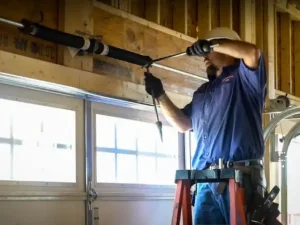

When a garage door spring breaks, it can bring your entire day to a halt. This situation creates more than an inconvenience; it can compromise your home’s safety and put your family at risk. Garage door springs play a critical role in lifting and lowering heavy residential garage doors, ensuring the system operates smoothly and predictably.
Once a spring breaks, the garage door system can no longer function properly and may become unstable or impossible to use. At this point, garage door repair is often necessary to restore balance and prevent further damage to the opener, tracks, or panels. Understanding how severe spring failure can be and knowing when to act helps protect your home, maintain safe operation, and ensure everyone in the household remains secure.
The Importance of Springs in Garage Door Systems
The springs in your garage door system enable the door to lift its heavy weight. Because of the springs, you can open and close it without much trouble. If the springs are not functioning properly, the door will not operate smoothly. The springs do most of the work for your garage door.
These components take much of the weight off you and your automatic opener. It means you can use the door without putting too much strain on it. In the following sections, you will learn how these components support the garage door. You will also learn what distinguishes the main spring types from one another.
Understand what takes place when a garage door spring breaks and why it quickly becomes a serious issue for homeowners by reading: What Happens When a Garage Door Spring Breaks—and Why It’s a Big Deal?
Understanding How Springs Support the Weight of Your Garage Door
Garage door springs work by applying a large force to the torsion tube. The torsion tube spins around drums, which then wind the lift cables. These lift cables hook to the bottom of the garage door. This spring system makes a heavy door feel light so that you can move it along the tracks with minimal effort. The garage door springs are properly calibrated for your door’s weight and size.
If a garage door spring breaks or stops working, the spring system can no longer support the door. All the door’s weight then goes to the other garage door systems. The garage door opener handles all the load, but it is not designed to lift the door by itself; it requires the garage door springs.
This can quickly make the garage door very hard and even risky to move by hand. If you try to use the opener, you may ruin the motor. When a garage door spring is broken, the door may not open or close properly. It stops the entire garage door from operating as intended.
See why a broken spring causes your garage door to stop working properly and throws the entire system off balance by reading: When a Garage Door Spring Breaks and Why the Door Suddenly Stops Working Properly.
Differences Between Torsion and Extension Springs
Most residential garage doors use one of two central spring systems, each with its own operating mechanism and placement. Torsion springs are mounted on a metal torsion tube directly above the garage door opening and generate lift by twisting and unwinding. Extension springs are located on both sides of the tracks, where they stretch and contract to assist with the door’s movement.
When considering a replacement, torsion springs are generally considered the superior and safer option because they provide better balance and more controlled motion. An extension spring replacement is also a valid choice, but these springs can be more hazardous if they break without safety cables to contain them.
Torsion springs are known for their enhanced durability and longer lifespan, making them a more reliable choice for most modern garage door systems.
Get a clear sense of how spring failure turns a smoothly operating door into heavy, hard-to-use equipment that disrupts daily routines by reading: From Smooth Lift to Dead Weight: How Spring Failure Affects Daily Use.
Warning Signs of a Broken Garage Door Spring
Knowing the early signs that your garage door spring is failing or has broken is very important. It helps prevent larger problems and keeps your household safe. When a spring breaks, the sound can be loud and unsettling, but in many cases, warning signs appear in your garage door system before this happens.
By paying attention to unusual noises, uneven movement, and visible wear, you can catch the issue early and take action before it worsens. Below, you will find what to look for, from odd sounds to visible damage on the garage door spring, all of which are signs you should not ignore because timely repairs also help maintain proper door function and support better energy efficiency.
Understand how damaged or improperly balanced garage door springs can compromise insulation and energy efficiency by reviewing door performance guidance from the U.S. Department of Energy.
Noise, Strain, and Trouble Opening or Closing
One of the most apparent and sudden signs of a broken spring is hearing a loud bang or pop in your garage. This noise occurs when the spring snaps due to high tension. It is the primary sign that you need to have your garage door repaired right away. After you hear this sound, you will have more garage door problems.
The garage door may feel very heavy when you try to lift it by hand, or you may be unable to open it at all, even with your garage door opener. The opener might make a noise as if it is struggling, hum without lifting the door, or just stop working because the load is too heavy. All of these indicate that the spring system is no longer working.
You should look out for these other garage door problems:
- The garage door gets stuck or only opens a little and then stops.
- Your door opens and closes very slowly, or it may close hard without warning.
- The top part of the garage door looks bent or broken.
- You see cables hanging loose or that have come off the door.
Get to know how you can hire a garage door technician who can easily address issues with your garage door and its components by visiting the International Door Association.
Visual Clues That Point to Damaged Springs
Examining the spring is one of the best ways to detect a problem. If you have a broken torsion spring, you will see a gap of a few inches in its coils. This means the metal has snapped. At this point, it is clear that the spring can no longer support the door.
Before the spring breaks, you might see other signs that the spring is getting old. Some coils may look stretched out or longer than normal. This shows the spring is losing strength. You should also check the parts connected to the spring, such as the winding cone and set screws, for rust or damage.
Here are the things to look for:
- You see a space in the coils of a torsion spring.
- An extension spring looks stretched or longer than usual.
- The spring’s wire is rusted or corroded.
- The winding cone or the stationary cones show signs of harm.
These signs will help you determine whether the torsion spring is broken or whether you need to check the set screws and winding cone.
How a Broken Spring Impacts Your Garage Door Components
A broken spring in your garage door does more than just stop the spring from working. It places excessive stress on the other components of the system. The spring helps lift the door’s weight, and when it’s broken, that load transfers to other components that aren’t designed to handle it. This makes them wear out even faster.
If you don’t fix the broken spring, more things can break over time. This means what starts as a single problem can turn into a significant, expensive garage door repair. The following sections discuss what happens to each component and why this results in higher costs.
Effects on Tracks, Rollers, and Cables
When the door is not supported, the tracks are among the first parts to fail. They can bend, twist, or become misaligned due to stress. If this happens, the door may get stuck or even fall off the tracks. This is very dangerous. Bent tracks keep the door from moving properly, so you may need someone to fix or replace them.
At the same time, the rollers that guide the door along the tracks experience significant friction and load. This can cause them to crack, break, or jump off the track. The lift cables also bear all that weight. Without the spring’s pull, they can come off the cable drums, wear out, or break.
If a cable breaks, the door becomes uneven and will not move. The entire system will not function properly, so it is not safe to use until all broken components, such as cable drums or lift cables, are repaired.
Increased Risk of Further Damage and Costly Repairs
Trying to use a garage door with a broken spring can cause significant damage to the entire system. When the opener attempts to lift the whole weight on its own, it can quickly wear out the motor. You may have to pay for a new opener in addition to fixing the spring. So a simple problem with the spring soon turns into significant trouble.
This kind of situation turns what could be a quick, easy repair into something that requires more work and costs more. You might need to replace outdoor panels, tracks, and other components. If you do not fix the garage door spring right away, the issue will likely worsen and make garage door service more difficult and costly.
The best step to take is to call a professional garage door technician when you see a broken spring. Addressing the problem now can prevent your garage door from requiring several major repairs later. It is also the quickest way to protect your home and reduce much higher costs.
Expert Garage Door Spring Service
Understanding how important your garage door spring is can help you avoid significant problems. If a spring fails, it may cause other components, such as tracks or rollers, to fail as well. This could lead to further damage and higher repair costs. That is why you need to check for a broken spring in your garage door to ensure it works properly. If you suspect your garage door spring is malfunctioning, it is best to call a pro to check and fix it. This keeps your garage door safe and restores proper operation. Remember, always prioritize safety and consult an expert when working on garage door repairs. That will stop bigger problems before they start.
CCM Overhead Doors focuses on keeping garage doors functional, safe, and well-maintained through experienced repair services. Years of regular use can take a toll on even the strongest garage door systems. Knowledgeable technicians understand common wear points and how to correct them properly. Timely repairs help restore smooth operation and protect long-term performance.
Contact us today or give us a call for trusted garage door repair and maintenance.
Frequently Asked Questions
How does a broken garage door spring affect the entire system?
A garage door spring is a critical component that supports the weight and balance of the door. When it breaks, the entire system is thrown out of alignment and forced to compensate. We see that this imbalance puts immediate stress on every moving part of the garage door.
Why does a broken spring cause damage beyond just the spring itself?
The spring works in coordination with cables, rollers, tracks, and the opener. Once it fails, these parts are forced to handle loads they were not designed to carry. We find that this added strain accelerates wear and increases the risk of multiple component failures.
How does a broken spring impact the garage door opener?
Garage door openers rely on springs to reduce the weight they need to lift. Without a working spring, the opener motor must work much harder. We observe that this often leads to burned-out motors, stripped gears, or complete opener failure.
Can a broken spring damage the garage door cables?
Yes, cables are directly affected by spring failure. When tension is lost, cables can loosen, fray, or snap. We see that cable damage significantly increases safety risks and repair costs.
How does a broken spring compromise garage door safety?
An unbalanced door does not move smoothly along the tracks. We find that this uneven movement causes rollers to wear out faster and tracks to bend or shift. Over time, this damage can make the door unsafe to operate.
How does spring failure affect garage door alignment?
When a spring breaks, the door may tilt or sit unevenly in the opening. We see that misalignment increases friction and stress throughout the system. This can cause the door to jam or derail from the tracks.
Can continued use after spring breaks make repairs more expensive?
Continuing to operate the door after a spring breaks often leads to cascading damage. We find that what starts as a single repair can quickly turn into multiple replacements. Addressing the issue early helps limit repair costs.
Why does the garage door sometimes slam shut after a spring breaks?
Without proper balance, the door may fall or close unexpectedly. We recognize that this creates serious risks for people, vehicles, and property. Safety systems may not fully compensate for the lack of spring support.
Does spring failure affect home security?
A garage door that cannot open or close properly can leave the home exposed. We see that doors may become stuck open or fail to seal securely. This compromises both security and peace of mind.
Why is professional repair important after spring failure?
Replacing a garage door spring requires specialized tools and experience. We believe professional repair ensures proper balance and prevents further system damage. Expert service restores safe, reliable operation across the entire garage door system.